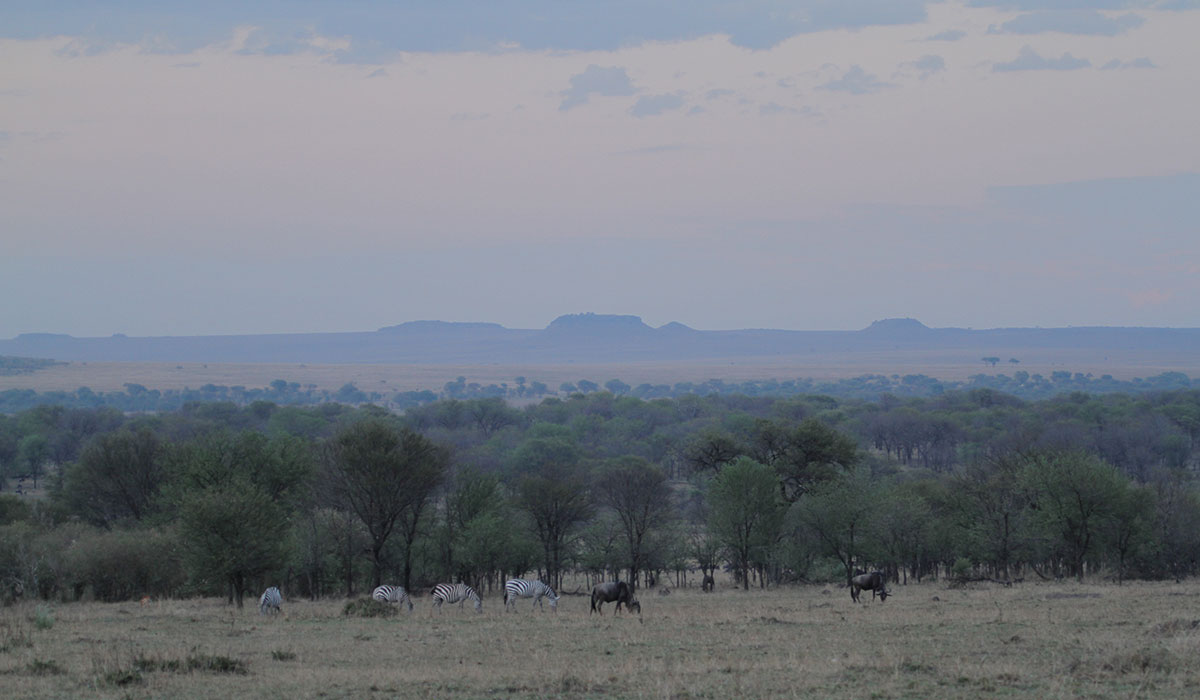
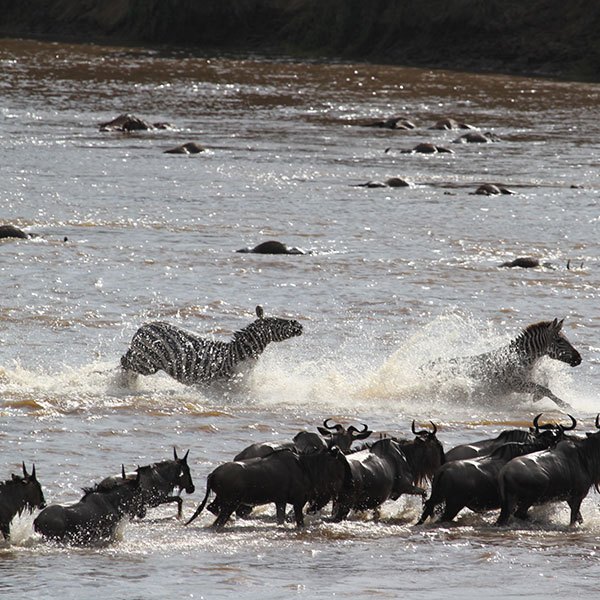
For us, from decades of wildlife documentaries, the Mara River was as renowned as the migration itself. Draped across the migration paths, river crossings have become a sought-after part of the spectacle for visitors to Northern Serengeti. Sitting in wait among the herds with other patient game viewers, it didn’t take long for us to witness our first adrenaline-pumping crossing.
Crossings are chaos. The pandemonium of collective movement of so many animals is an experience of sights, sounds, smells. The high-octane nature of it all is heady and we came to know what to look for – the beating hooves of so many animals lift a giant dust cloud into the sky. Watching the course of the herds gain momentum, the power and endurance of these animals is astounding.
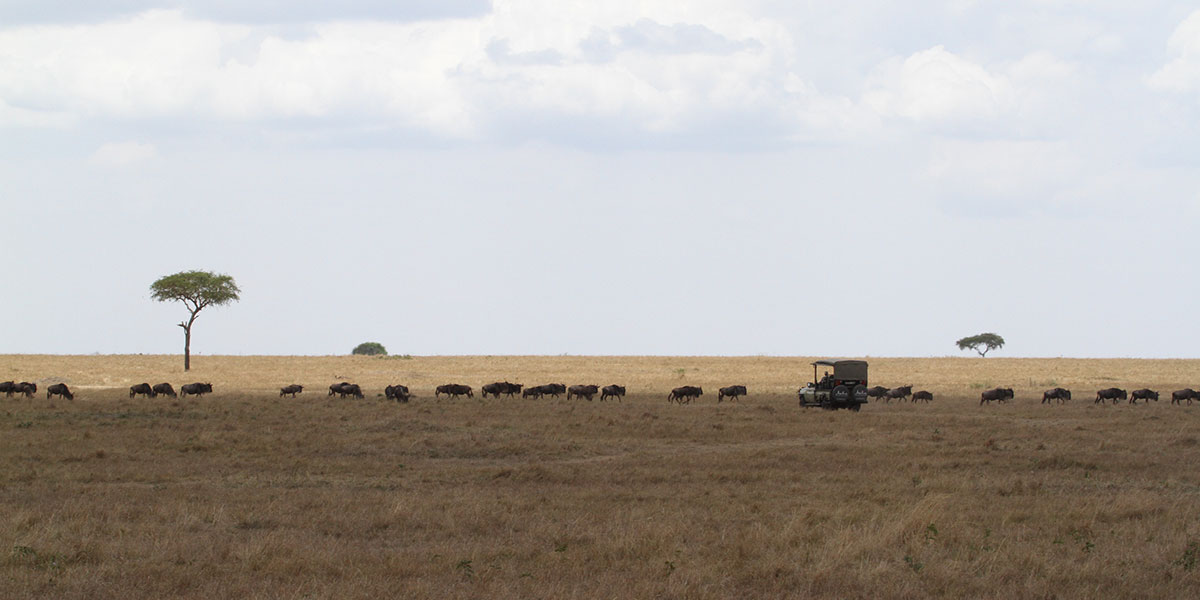
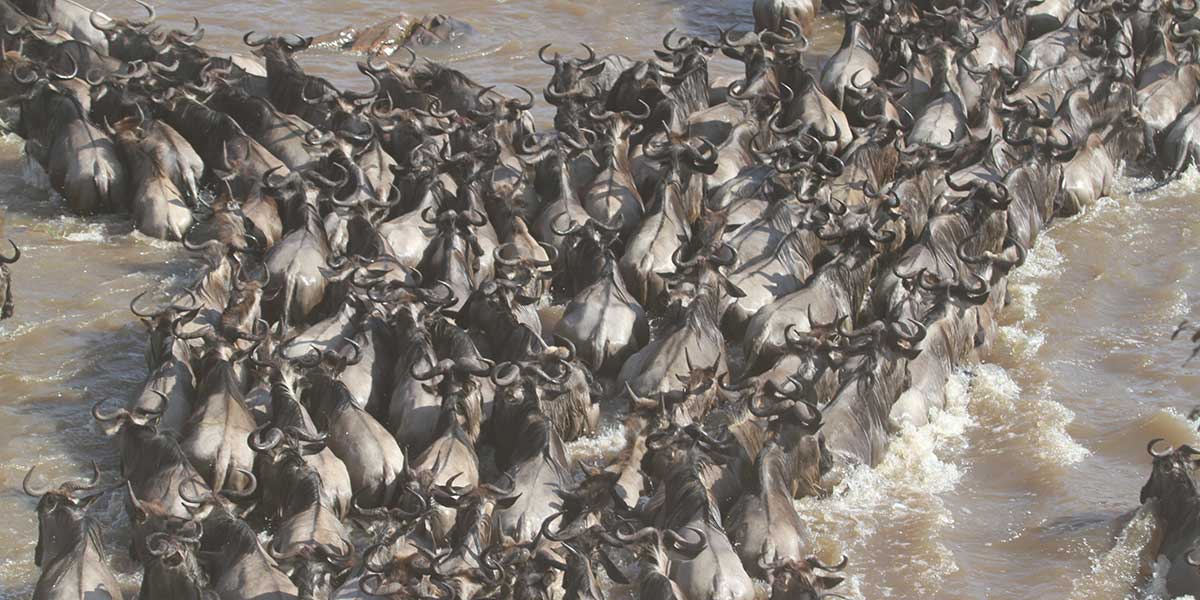
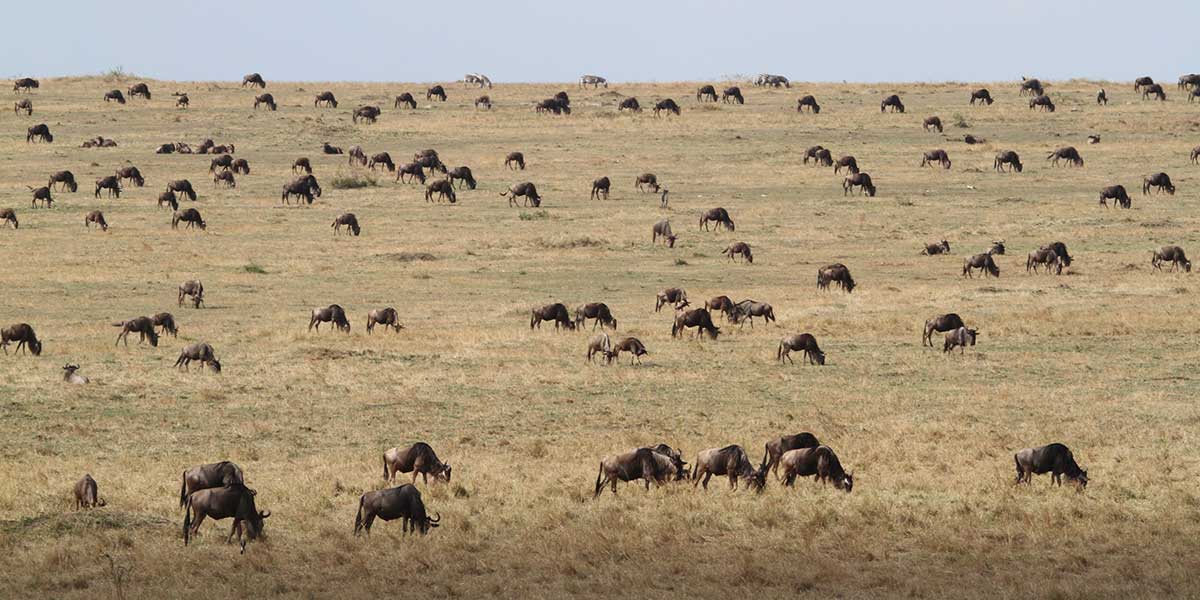
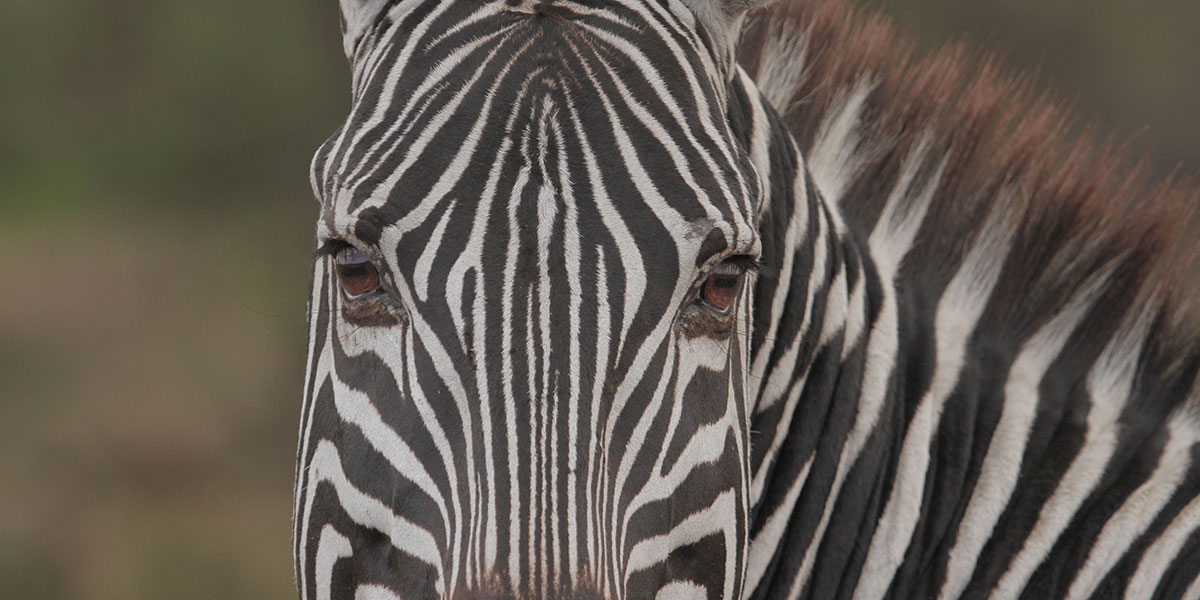
At this volume, views of the migration were almost abstract. Repeated patterns of curved horns, striped pelts, bearded dewlaps. Wildebeest in single file crossing the river, walking the plains. The shape of wildebeest in the splash of the river, against the haze of dust. However, after our first couple of crossings, it was hard not to be disturbed by the ‘river of death’. You can read more in the Great Migration story here.
We watched the river change once the drama of the crossings had passed. Bloated bodies of the animals that didn’t make it dotted the river like rocks and the stench grew as the days went by. Giant crocodiles lay in the shallows. Marabous stood on the dead and fed on the carrion in the river. We even watched a hippo flinging a carcass about in the water. The plains are busy with cycles of life and death, lightly seasoned with pockets of human endeavour.
→