The Great Migration in the Serengeti: To Move Is To Survive

C. Fraser Claire

Millions of Mammals on the Move: The Great Migration
To Move Is To Survive: Travel To See Tanzania's Great Migration
Great Migration by The Safari Store

The world operates on the Earth’s natural cycles. Dawn, noon, sunset, night. The seasons. Moon cycles. On ground level, another of the world’s great natural cycles is the movement of millions of wildebeest and zebra in the Great Migration. One of the natural wonders of the world, images of these animals have no doubt crossed your TV screen, magazine page, or newsfeed at some point as one of the most amazing wildlife spectacles.

As with most things made media, this is something that needs to be experienced to be believed. To be among animals en masse indirectly puts humanity in perspective. To be so outnumbered in a place so wild harks back to the primordial forces that govern survival, but human control is removed and we can do nothing but bear witness to the miracle and drama of it all.

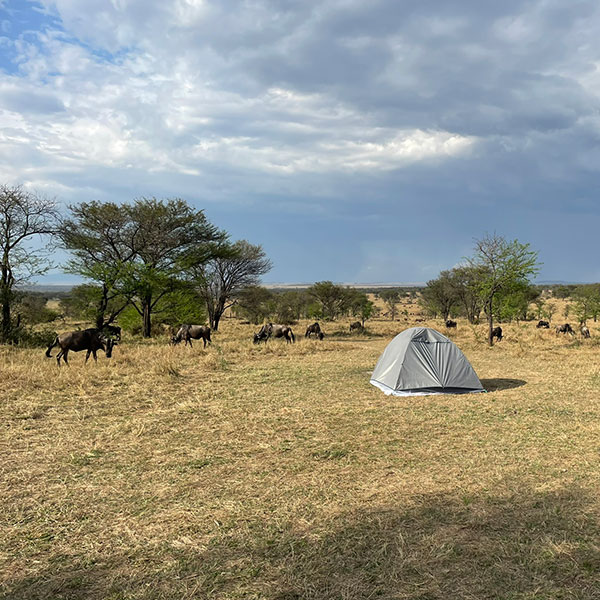
We were wild camping at an ‘exclusive campsite’ in the Northern Serengeti. From the buzzing airstrip at Kogatende, it didn’t take me long to realise that self-drive is not the norm, but it is impossible not to feel the privilege of the experience – especially when you realise you’re camping in the middle of the wildebeest migration.

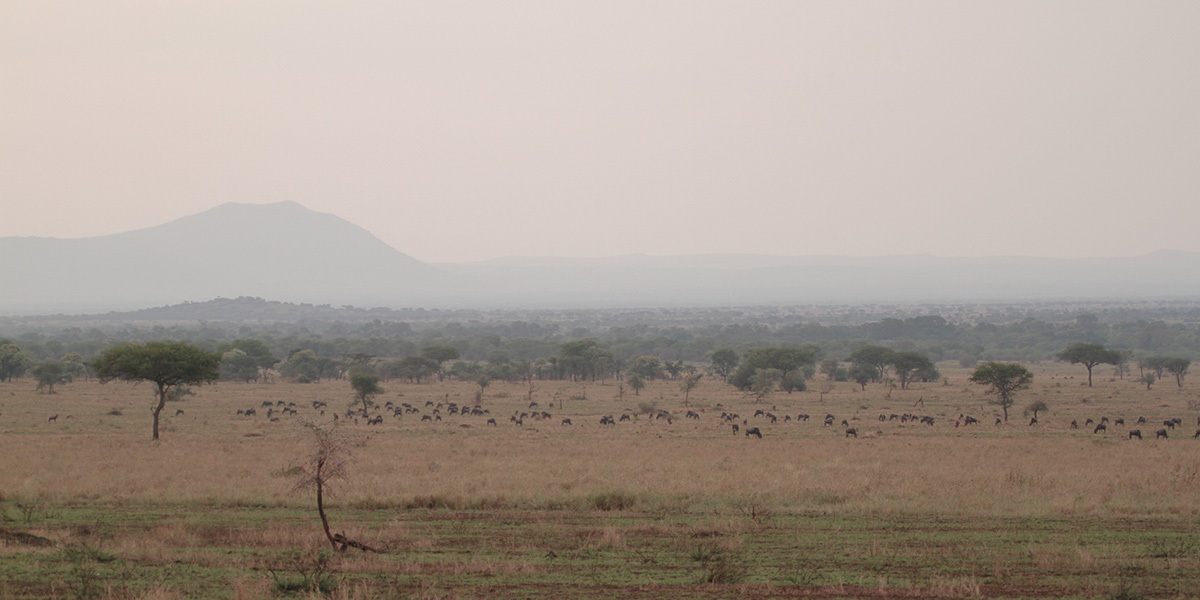
On our drive into the Serengeti National Park, it wasn’t long before we started noticing huge herds of wildebeest – and this was just the beginning. In the weeks we spent in Kogatende, Seronera, and Kirawira near Grumeti, there was rarely a moment that didn’t have a wildebeest (or 1000) in it. And it is utterly remarkable. →


Find Out What To Pack >


Great Migration, Serengeti - by The Safari Store

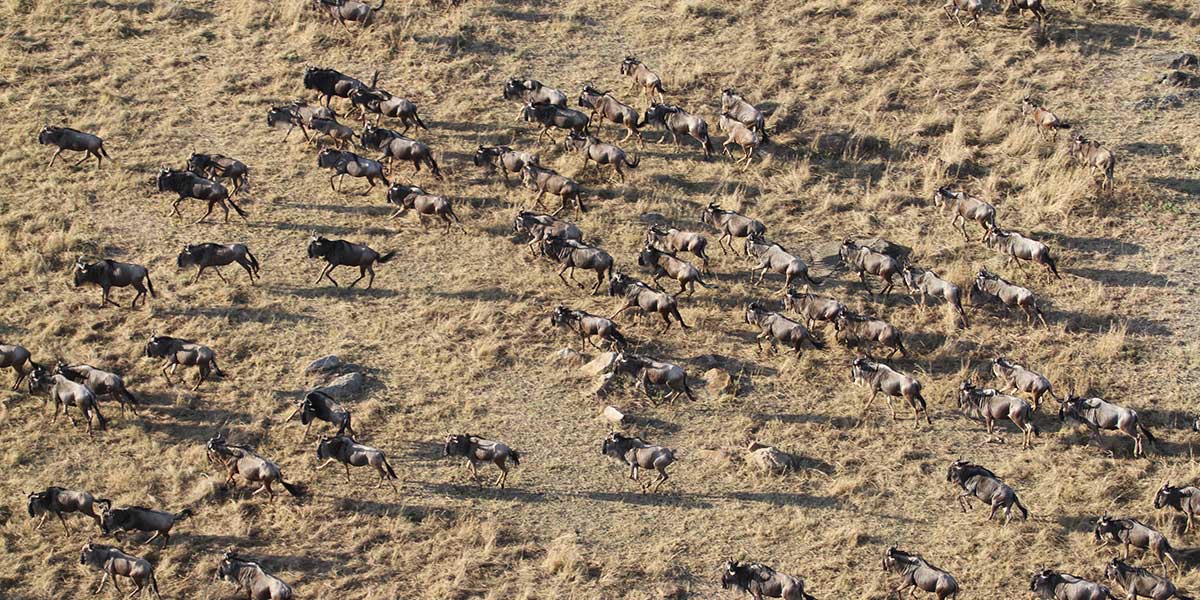
Mass Movement
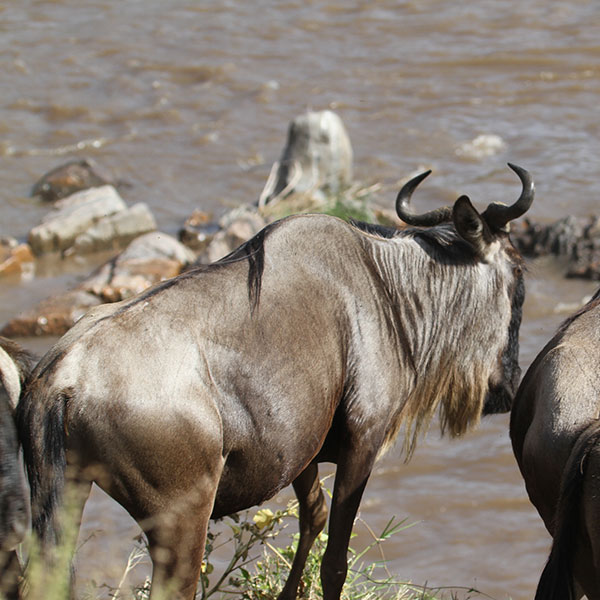
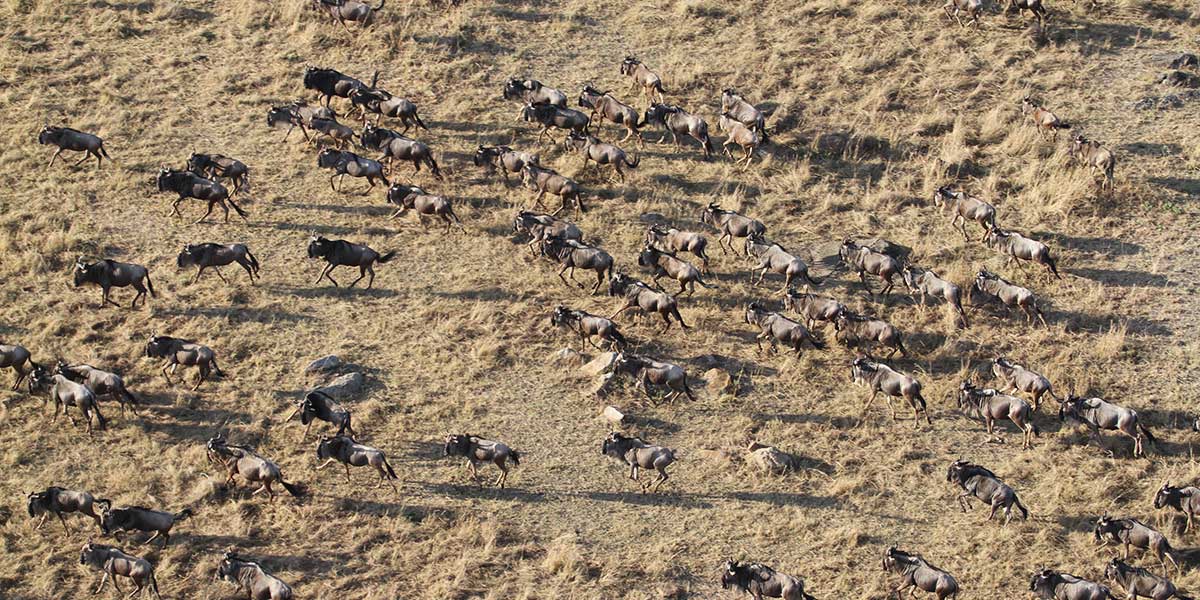
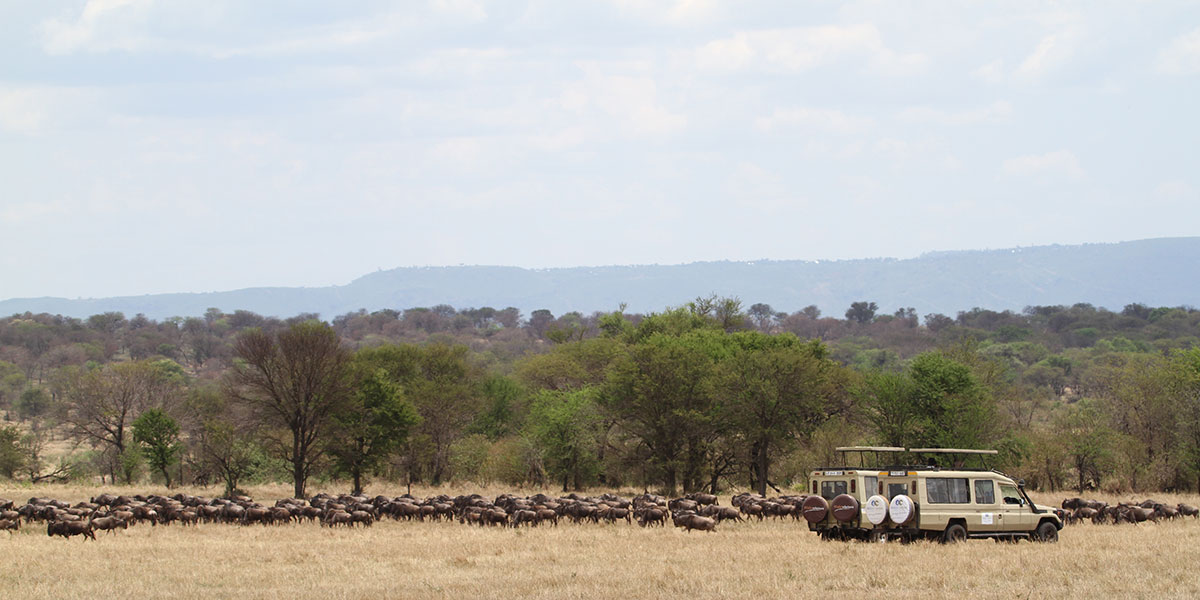
In such large numbers, viewing the wildebeest migration means the landscapes often feature their grazing, galloping forms.

Shop Safari Binoculars >


Serengeti Camping in the Great Migration - by The Safari Store

Our campsite was a patch of nothing that looked out over natural plain and bush – and it was constantly a scene of masses of wildebeest like spilled peppercorns. It was never quiet. All day and all night were filled with the sound of wildebeest grunts and lows, near and in the distance – thousands and thousands of layers of sound. Hyena stalked by in the mornings and a leopard killed a calf a few metres from our tent. When we went out for a game drive, we parted seas of wildebeest. They usually lowed in protest.

There is quite simply nothing average about being surrounded by animals at that scale. After days of it, my brain felt like it had reached the edge of the calculator screen – cannot compute. As that relates to wildlife, what a profound privilege to have a new definition of ‘surrounded’.

While many wildebeest followed the same current, others rippled off in other directions – creating their own channel of movement for immense offshoots of wildebeest herds. We were soon to learn the intensity of seeking out river crossings. These northern grazing lands are, of course, the place to see the wildebeest of the Great Migration cross the Mara River – and everyone wants to see it. →


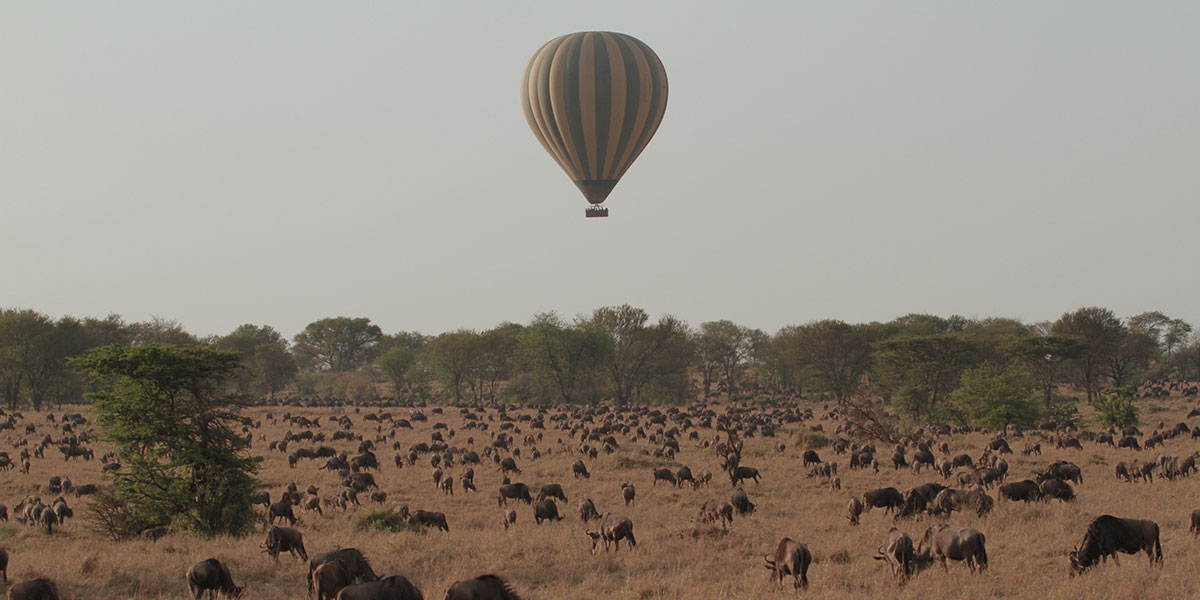
The Great Migration on a Balloon Safari by The Safari Store

A Top Experience
A balloon safari over the Serengeti and the Great Migration is an incredible experience.

Read Ballon Safari Storey >


As the herds started moving towards the riverbanks, game viewers would sit in wait – holding back until a crossing was a certainty and then charging forward to the crossing sites. This happened on both sides of the river. The build-up of the animals coming down to the river was astounding. ‘Is this actually about to happen?’ I found myself asking. At the last minute, a change of direction of a few animals could see the entire herd change course away from the river. However – as we were to learn – once the process started, it seemed like very little would stop it.

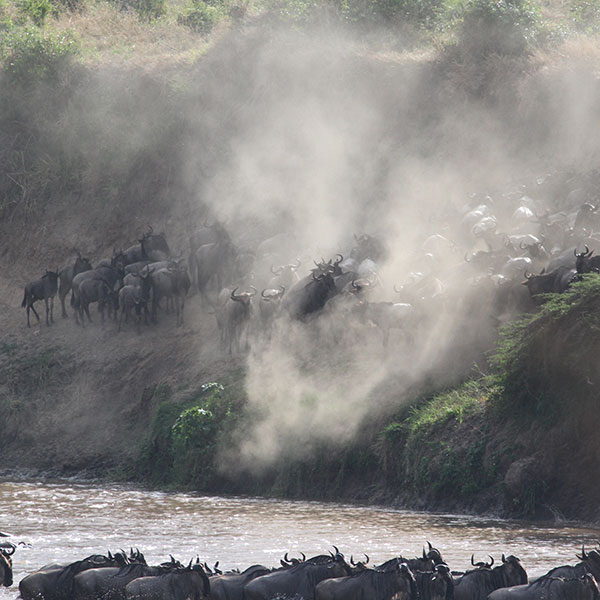
We watched the build-up of animals coming down to the river until it appeared they had no choice but to cross – and animals kilometres away began the gallop in great warring columns down to the river. As the days went by, I realised that the sight of dust clouds high above the horizon on the river’s edge in the distance meant a crossing was almost certainly happening.

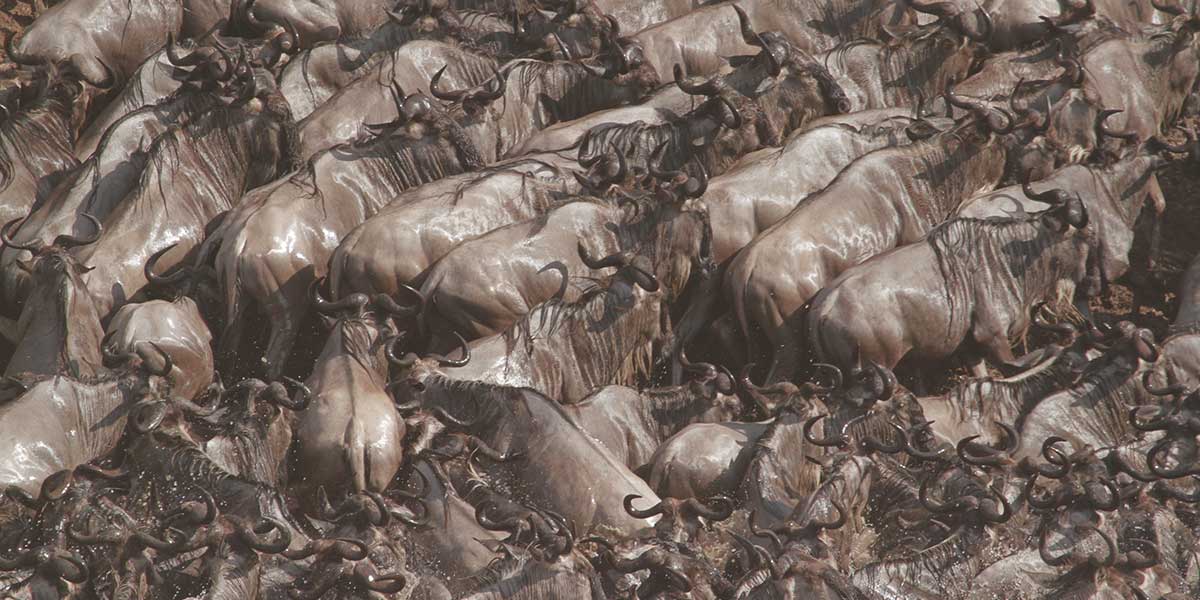
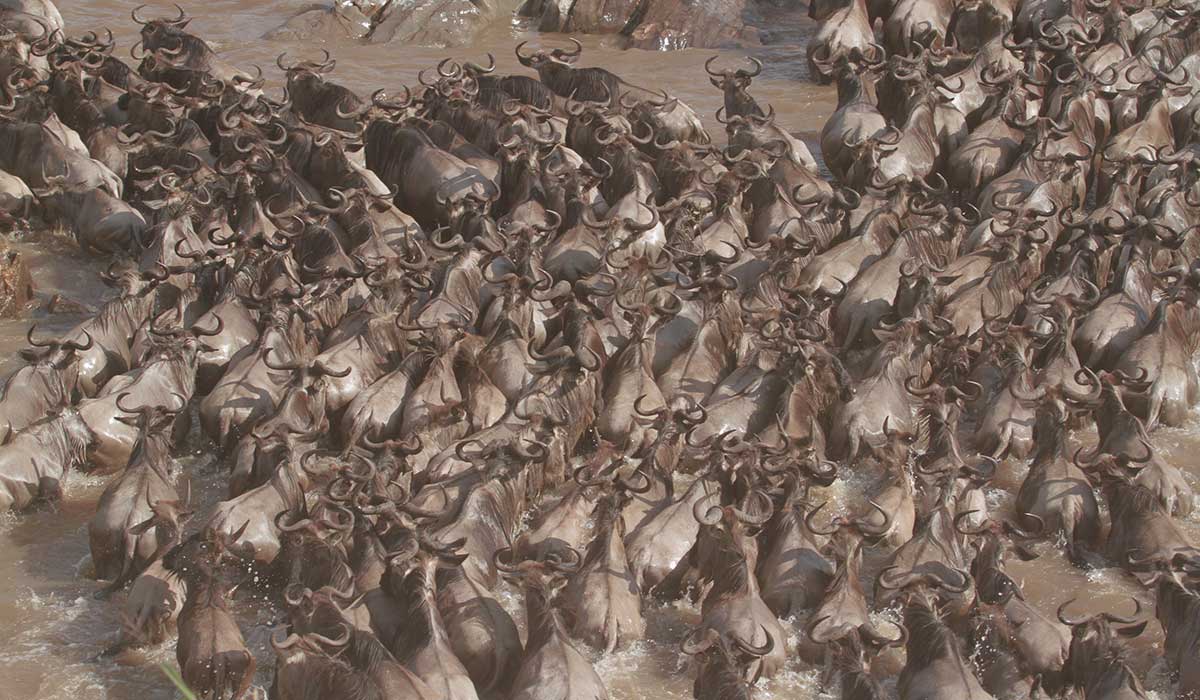
At our first crossing, we managed to wedge ourselves between game viewers on the riverbank. Frenzied wildebeest ran past us in long minutes of high drama. This is a sensory experience. Collective, panicked grunting, hooves hitting the ground, stirring and smashing water. The smell and sight of dust was replaced with mud and wet animal. Thousands of animals moaned and moved and I was unprepared for the level of intensity. →

Wildebeest Migration by The Safari Store


Days and nights were filled with the sound of wildebeest grunts and lows, near and in the distance – thousands and thousands of layers of sound.
Mara River Game Drive and the Great Migration - by The Safari Store

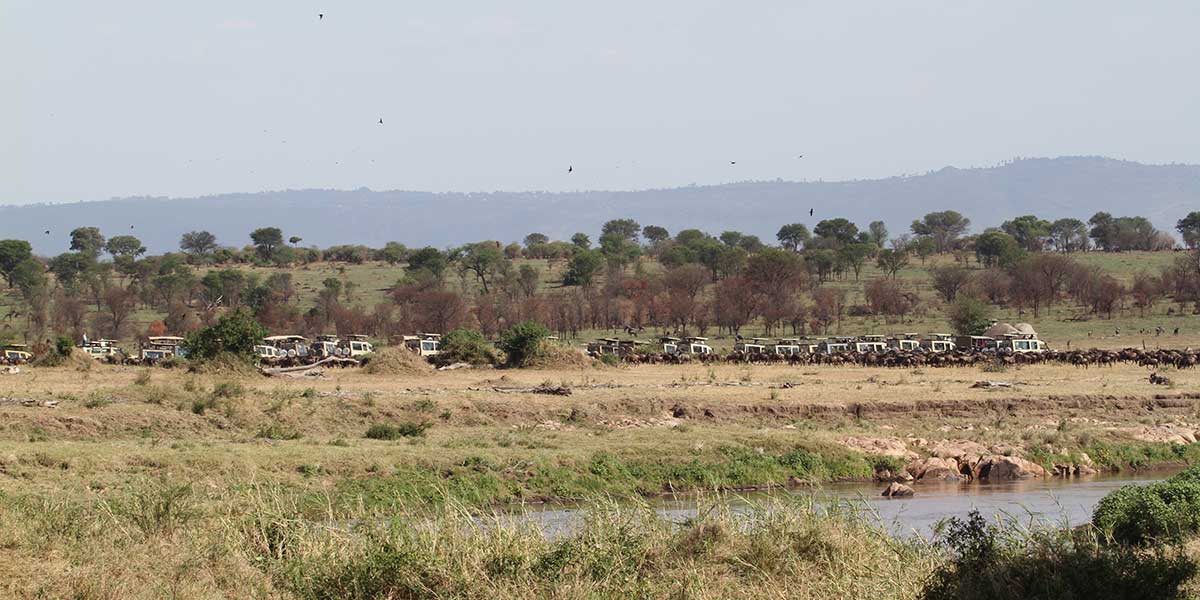
The Race of the Game Viewers
With so many people keen to see a river crossing, game viewers patiently wait for the first animals to cross before lining up along the riverbank to watch the action.

Shop Safari Clothing >


Wildebeest in the Serengeti by The Safari Store

And then it was over. Dripping dewlaps followed in formation on the other side of the river and away. The silence took on extra depth after such high-octane action.

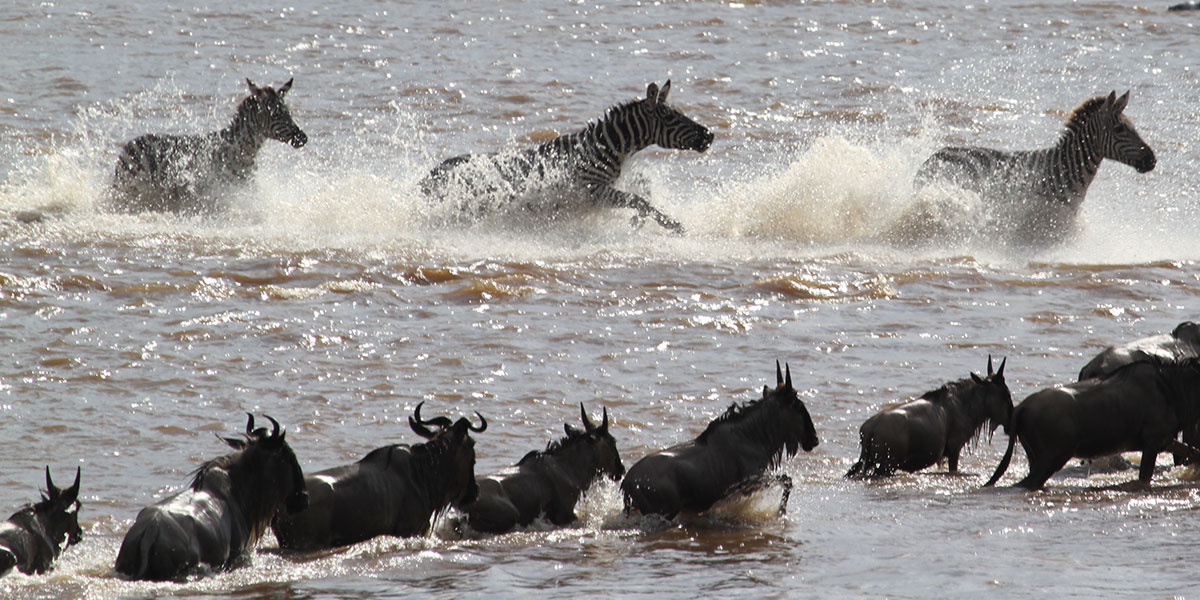
We saw five crossings in seven days and each one was a saga. The speed of these animals in the water is incredible and there are so many of them that the crocodiles we saw bobbed around in confusion, thrashing this way and that. Wildebeest leapt and fell and turned around. Zebras crossed in an almost more orderly fashion – timed, contained in comparison with the wildebeest around them.

Every animal galloped the course of the one in front of it. We saw them get stuck on ridges only to be pushed from behind as more and more wildebeest massed behind them. We saw them fall back into the river or clamber up steep paths in a moment of singular thought. The rare individual would change tack to get around an obstacle or find a new route – becoming the leader of a breakaway group.

After long minutes of animals streaming past, we noticed some stuck in the mud and exhausted. We saw their corpses grow in number – and bloat as the days went by. I rubbed my shivers in the intense heat in waves of shock and sadness. Eventually, we did not chase the crossings as we had when we arrived. →

Shop Sun Protection Clothing & Accessories >


Mara River Crossing and the Great Migration by The Safari Store

Zebra (and Gnu) Crossing
The size and number of crocodiles we saw on the Mara River made for drama-filled moments whenever these animals were in the water. The splash and sound of zebra and wildebeest during a crossing was a sonic experience.

Shop The Best Insect Repellent For Safari >


The reality is that 14% of wildebeest don’t survive the crossings. This is hell in paradise for these creatures that attract wildlife-loving tourists from around the world in droves. A safari to see the Great Migration is to visit an ecosystem so heavily dependent on the life and death of wildebeest.

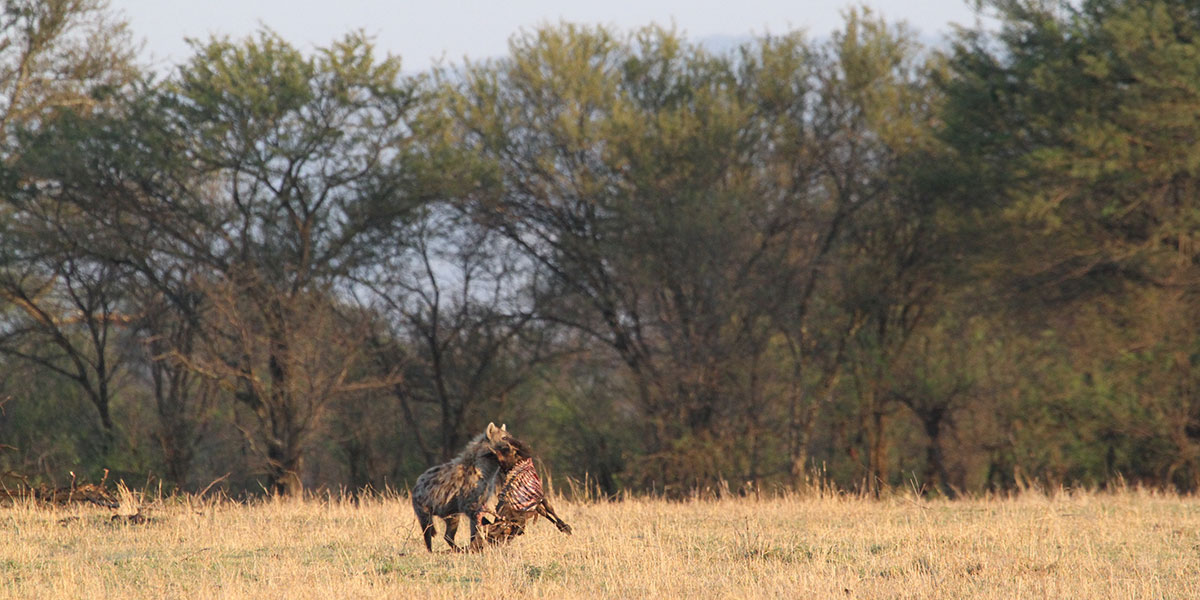
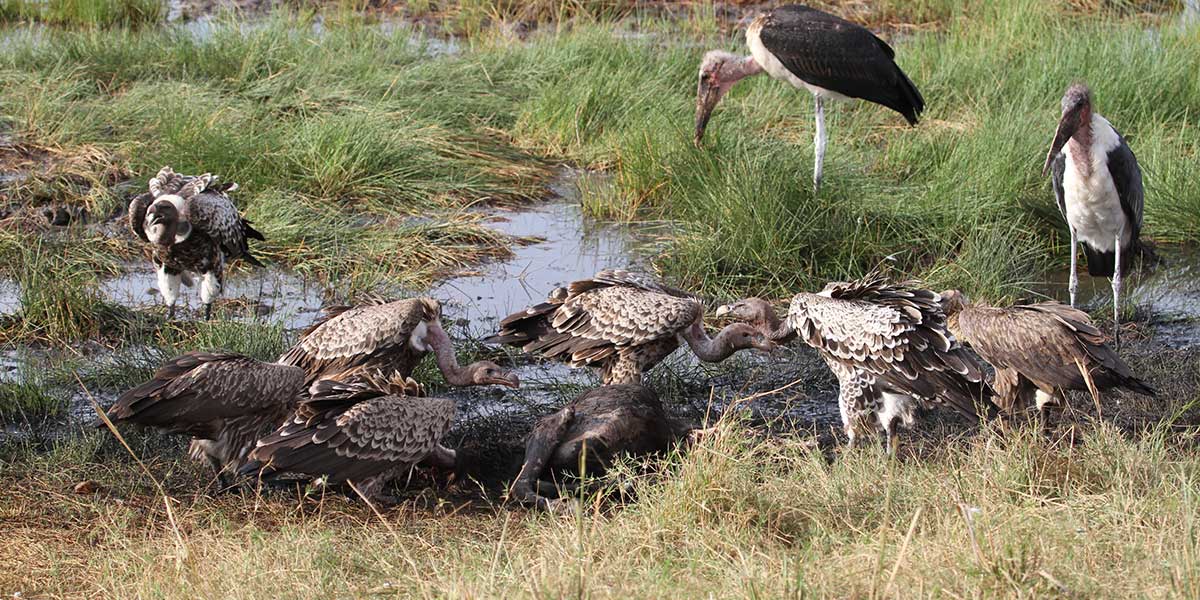
As we went down to the river every day, the bloated carcasses of wildebeest dotted the current. The smell was ripe. Marabous fed on floating meals. Hippos toyed with the dead. Hyena ran through herds – hunting. They just needed to find one weak link – a sweepstakes that ran in their favour. We heard that this tactic yielded very high success rates; higher than lions, in fact. Hundreds of vultures were the clean-up team – and they were busy.

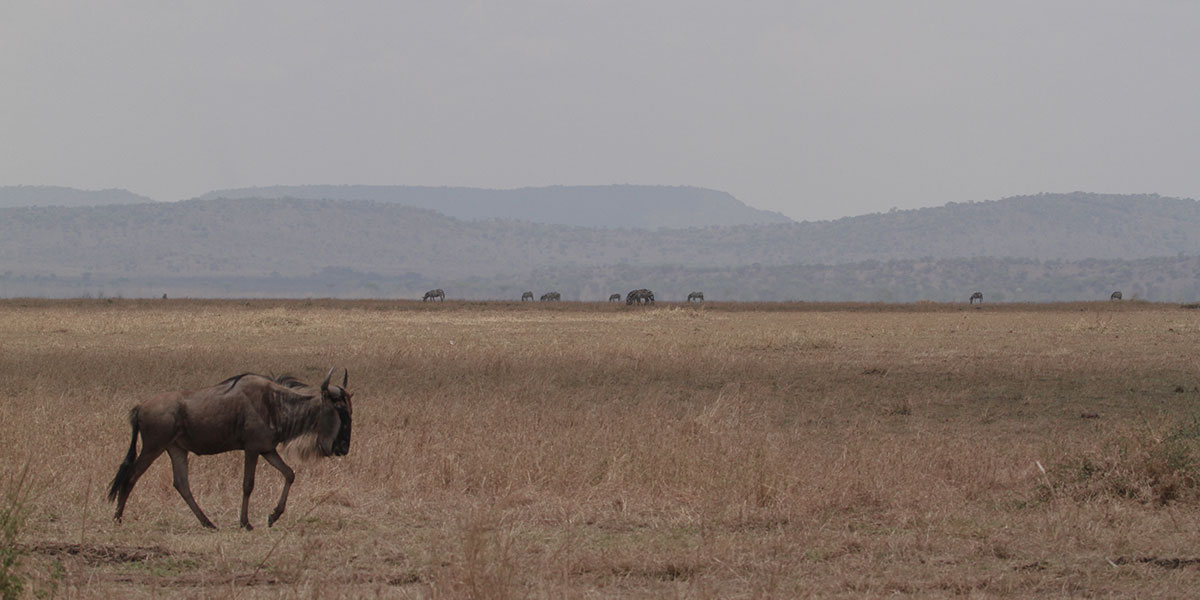
The Great Migration is a cycle of life and death – like an inhalation and exhalation. While researchers aren’t sure how long the Migration has taken place, theories suggest that this was something witnessed by early man. Any chance to see it in modern times is an incredible privilege. In our final days in Kogatende, we woke up to find an unusual silence and emptied plains. The odd gnu remained. →

Shop Essential Warm Layers For Safari >


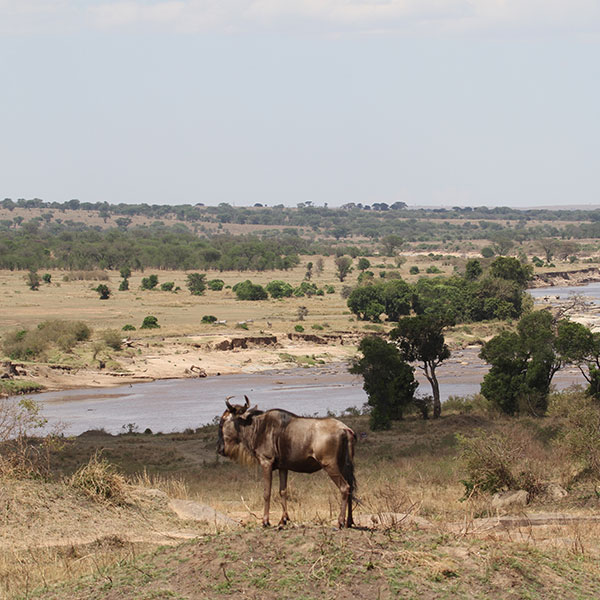
Wildebeest of the Great Migration Overlooking the Mara River - by The Safari Store


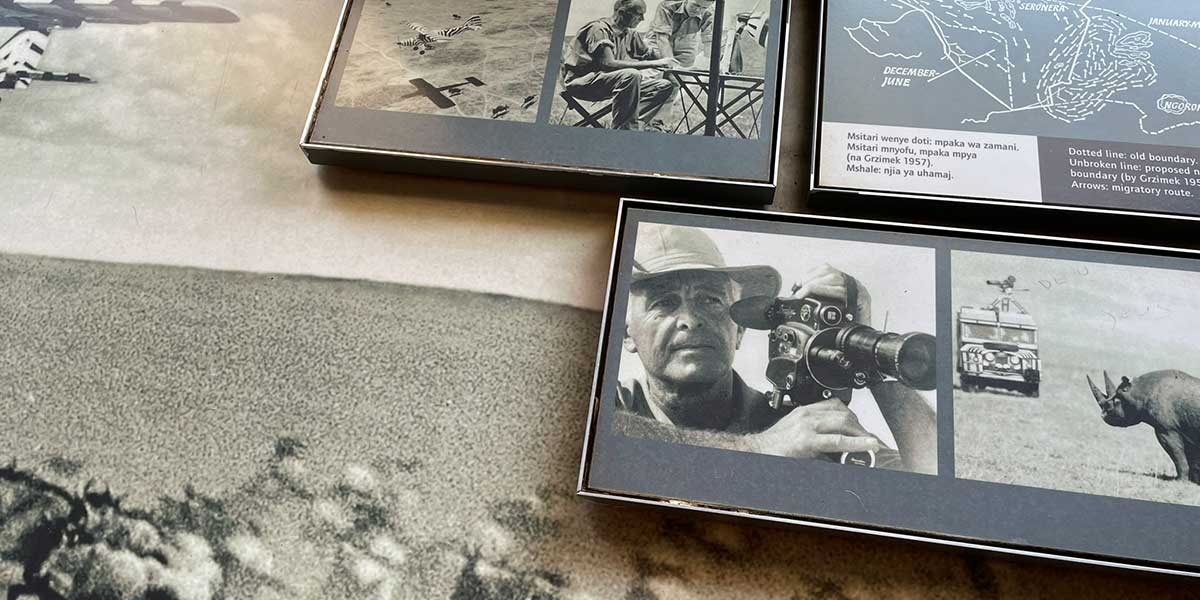
Grzimek and Great Migration Exhibition, Seronera Visitor Centre

Seronera Visitor Centre
The Seronera Visitor Centre is a wonderful place to take a guided tour to learn about the Great Migration and the history of the Serengeti National Park, including the rold of Bernhard and Michael Grzimek and the Frankfurt Zoological Society.

Shop Travel Accessories >


‘Serengeti Shall Not Die’: Bernhard and Michael Grzimek and the Great Migration

You may have heard of this father-and-son filmmaking team from their Academy Award winning documentary ‘Serengeti Shall Not Die’. Bernhard Grzimek went on to write a book by the same name about the pair’s connection with the Serengeti, performing the first game count and research on the Great Migration – primarily from their zebra-striped plane.

Bernhard Grzimek worked hard to save the Frankfurt Zoo during World War II and headed the zoo’s operations for decades after this. He also established the Frankfurt Zoological Society – a modern-day force for conservation in key areas around the world, including the Serengeti.

Bernhard and his son, Michael, made powerful, successful documentaries that grew awareness and funded conservation efforts. One such project was to gain a better understanding of the wildebeest migration in the Serengeti. This work would also allow park boundaries to be set around the movements of the Migration.
Where To See the Great Migration - by The Safari Store

Where and When to See the Great Migration

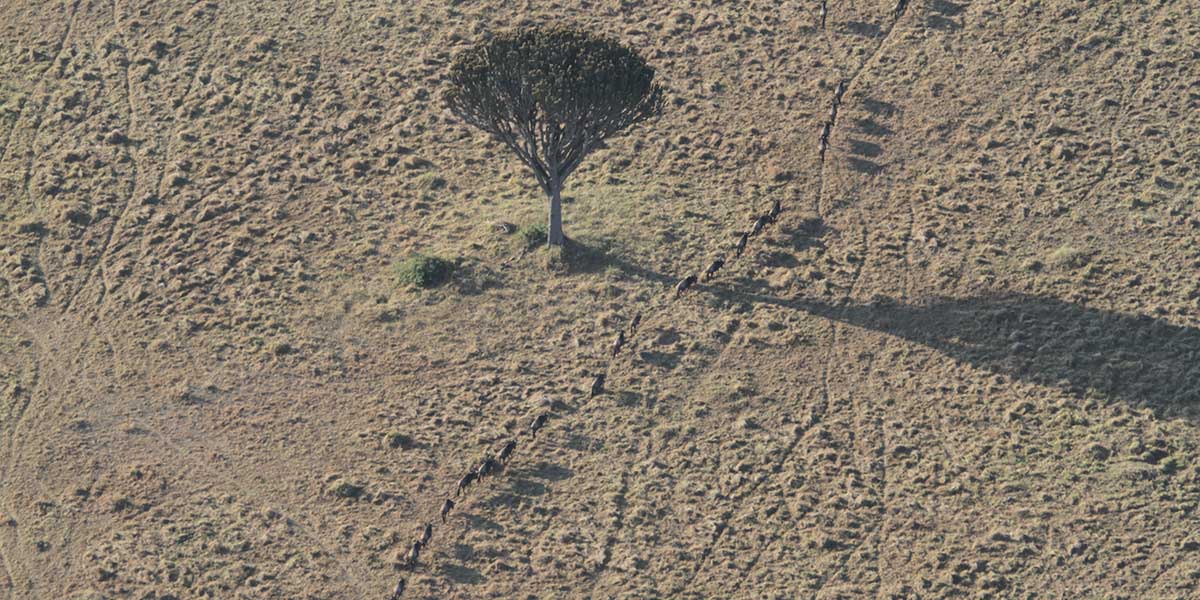
There is no answer to this question, as the Great Migration is always happening in different areas and this varies from year to year depending on the rains. In general, however, the herds move to the south of the Serengeti for calving season following the short rains. They then start to move as the dry season sets in.

The herds generally move through the Serengeti in a clockwise direction towards the Maasai Mara. They go from the south, west, to the north, east, and south again - although there are no defined routes or movements.

What Causes the Great Migration - by The Safari Store

What Motivates the Migration in the Serengeti?
Every year, around one million wildebeest migrate around 1000 kilometres following the rains and food sources on the Serengeti plains.

Shop Safari Hats >


Number of Animals in the Great Migration - by The Safari Store

How Many Animals are in the Great Migration, Serengeti?
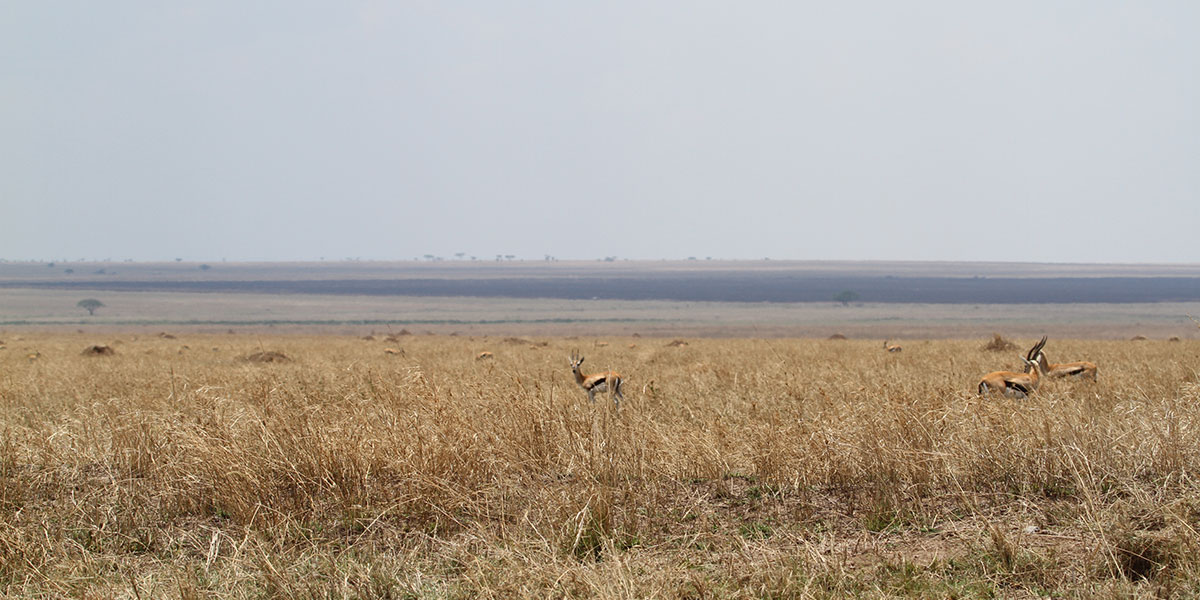
The Great Migration sees around one million wildebeest and 300 000 zebra migrate during the course of each year. Thomson’s gazelles have similar movements that follow the rains and are often seen with wildebeest herds. However, their movements are shorter than the wildebeest migration.

Shop Safari Backpacks and Satchels >


Warning: the Following Images from the Great Migration May Upset Sensitive Readers

Hyena in the Great Migration, Serengeti - by The Safari Store

Hunting Hyenas
Hyenas are fascinating characters in the Serengeti ecosystem. They are organised, intelligent, and extremely successful predators and can form enormous clans in this area.

Shop Soft, Strong Safari Bags >


Ruppells Griffons and the Great Migration by The Safari Store

Doom and Plumage
The carcass clean-up crew of vultures, griffons, and marabou storks are highly-efficient and, while the deaths may be grim, these are incredible sightings for birdwatchers.

Shop Safari Accessories >


Mongooses and the Great Migration by The Safari Store

Band of Brothers
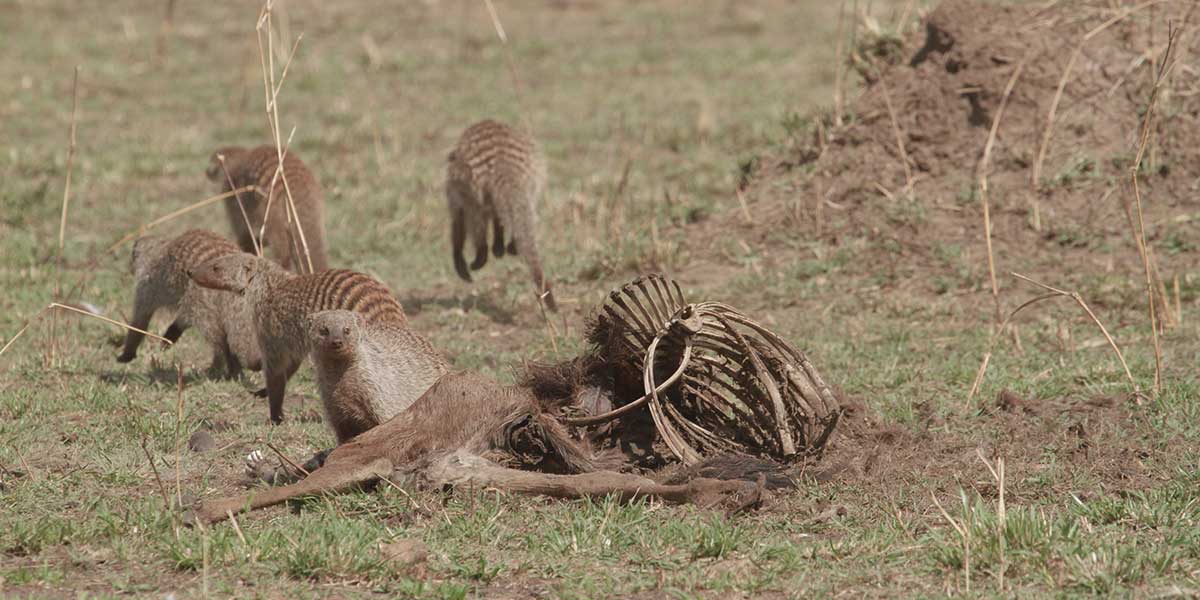
Even banded mongooses flourish as scavengers on the Serengeti plains.

Shop Safari Accessories >


Hippo and Crocodile, Mara River during the Great Migration - by The Safari Store

Putting the 'Game' in 'Game-Viewing'
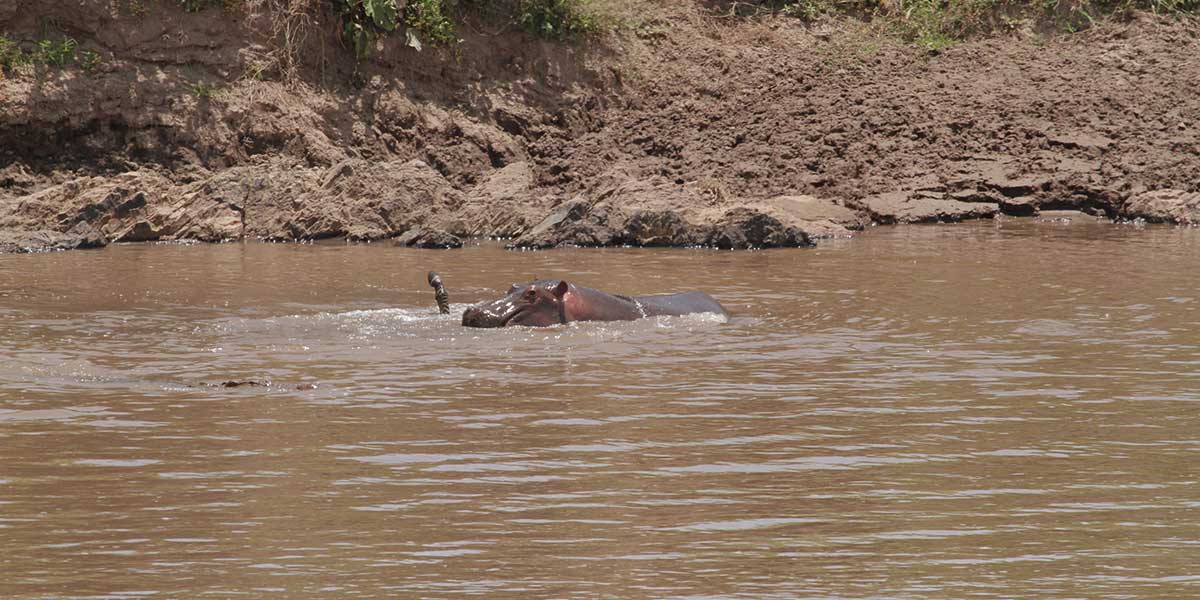
An unusual sighting on the Mara River was watching a hippo toying with a zebra carcass in the current. Watched by crocodiles, it wasn't long until the zebra was snatched away.

Shop Safari Accessories >


Where To See the Great Migration in the Serengeti

The Great Migration, Northern Serengeti - by The Safari Store

Northern Serengeti
The area around Kogatende in the Northern Serengeti is famed for Mara River crossings, lower visitor numbers, and herds crossing into Kenya in pursuit of the rains and grazing.

Shop Soft, Strong Safari Bags >


The Great Migration at Seronera, Central Serengeti - by The Safari Store

Central Serengeti
The popular Seronera area is a hotspot for Great Migration action - at the right time of year, of course. In this central band, the western and eastern boundaries are more remote options to see the herds.

Shop Safari Accessories >


Great Migration near Grumeti - by The Safari Store

Grumeti Reserves
Located on the western boundary with the Serengeti National Park, Grumeti offers Great Migration action without the crowds - and a whole different ecosystem to discover.

Shop Safari Accessories >


The Great Migration near Ndutu, Southern Serengeti - by The Safari Store

Southern Serengeti and Ndutu
Calving season takes place in the south, stretching down to Ndutu on the meeting point between the park and the Ngorongoro Conservation Area (that connects the Serengeti to Olduvai Gorge and the famous Ngorongoro Crater).

Shop Safari Accessories >