A Safari Packing Checklist for the Ngorongoro Crater
Stories: ALL | ADVICE | EXPEDITIONS | DESTINATIONS | NEWS | PROJECTS
What To Pack for a Safari to Ngorongoro, Tanzania
Find Out What To Pack For A Tanzania Safari to Ngorongoro Crater National Park
Ngorongoro Tanzania Packing Links:
What To Wear on Safari To Ngorongoro, Tanzania | Ngorongoro Safari Luggage Guide | Ngorongoro Safari Accessories Guide | Ngorongoro Safari Packing Checklist |
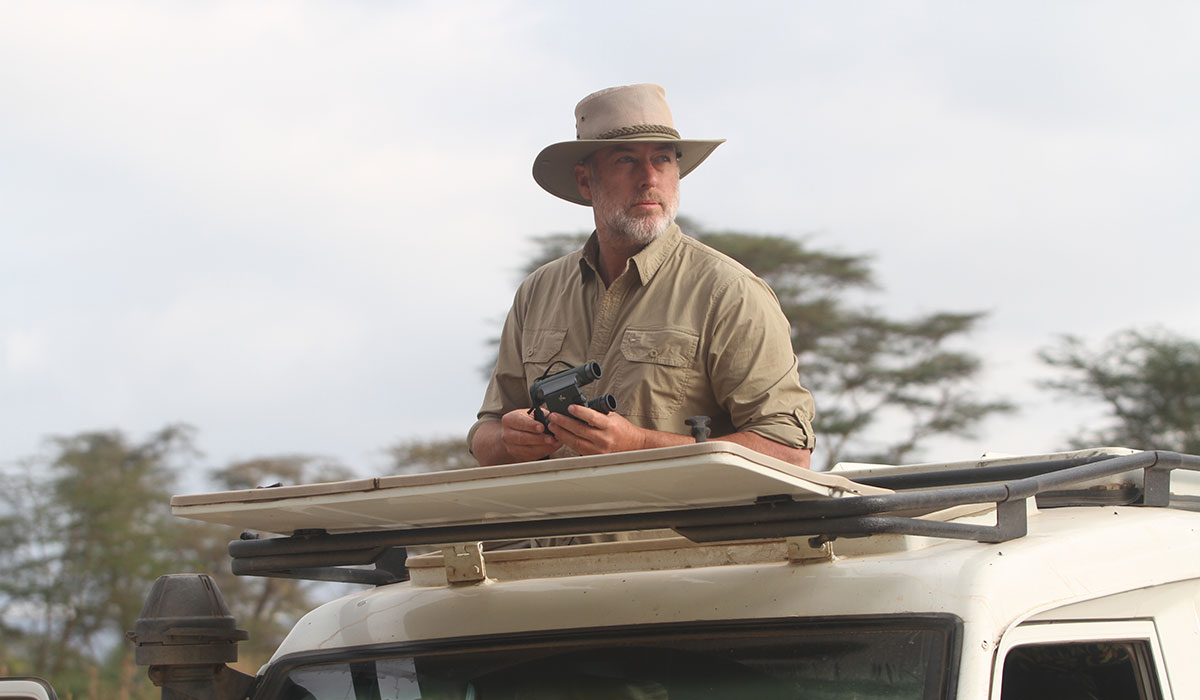
What To Pack For Ngorongoro, Tanzania
Ngorongoro, Tanzania is at an elevation of 7000 to 8000 feet. Together with safari luggage restrictions, this can make packing a little tricky. Following a few packing tips and using our safari packing checklist for Ngorongoro will ensure you pack the essentials, so you can focus on the magic of your experiences.
Most visitors to Ngorongoro have an itinerary that includes the Serengeti and other Tanzanian national parks. Find out about what to wear, luggage, accessories, and footwear - and and use our comprehensive, intuitive safari packing list tool for a comprehensive checklist before you travel.
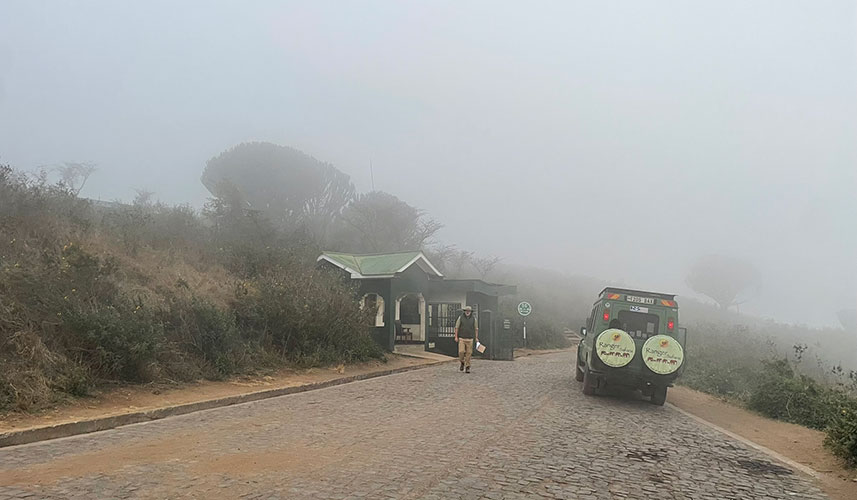
Safari At Altitude in the Ngorongoro Crater
The high elevation of the Ngorongoro Crater makes both preparing for cold and sun exposure a balance for safari-goers. Temperatures on the rim of the crater range from about 12-24 degrees Celsius (55-75 degrees Fahrenheit) to sometimes as low as 4 degrees Celsius (40 degrees Fahrenheit) at night. The sun can also be fierce at these elevations, so your choice of safari clothing will be important so you're comfortable and ready for your adventure.
Ensure you are all-season safari-ready for the Ngorongoro Crater with these packing tips and a quick safari packing checklist for your East Africa safari.
Shop Safari Clothing >
What To Wear on a Safari To Ngorongoro Crater
- Pack a Warm Layer: With its high elevation, Ngorongoro has unpredictable weather conditions. The high crater walls catch warm air from the coast and so it can and usually will rain at any time of the year, even during periods when the nearby Serengeti should be dry, which is outside of the long April-May rains and the shorter November rains. Choose a good fleece and warming accessories like beanies and scarves to protect yourself from the cold. Top tip: Take a packable waterproof jacket so you are ready in case of rain - and as a great windproof outer layer in addition to your fleece. A good warm layer will ensure you are prepared for early-morning drives to look for predators and around the lodge in the evenings.
- Dress in Layers: The trick for dressing for safari is to wear layers. This ensures you are covered if it is cold and for extreme changes in temperature throughout the day. Convertible trousers are a great option for versatility while you are out on game drives or enjoying other safari activities.
- Safari-Friendly Colours: The best colours for safari are neutral shades of brown, khaki, and green, which help you to blend into your surroundings. While tsetse flies are not a problem in Ngorongoro Crater, we recommend ordering lighter shades of khaki and olive green if other Tanzanian parks are part of your itinerary. It is also important to note that wearing earthy tones is a sign of respect to Maasai and Hadzabe if a village tour is part of your travel plans - and you should wear modest clothing for these visits.
- Anti-Insect Clothing: There is a malaria risk in the Ngorongoro Crater, especially during the rains. Lightweight BUGTech anti-insect clothing has a range of features that are the perfect fit for safari. BUGTech has been lab and expedition tested to ensure the anti-insect finish does not negatively impact the wicking performance of the fabric. This means you enjoy peace of mind around insect defence in fabric that wicks moisture and dries fast, keeping you cool and comfortable as the day heats up. Always use a reliable insect repellent for the best all-round protection.
- Sun Protection: Sun exposure is stronger at higher elevations. A more intense sun demands a sun protection strategy to prevent red, painful sunburns and long-term sun damage. Our UV protective clothing BUGTech and SAFARITech clothing has been tested to provide UPF50+ sun protection - the highest rating for a garment. In high temperatures, the key is that the clothing is ultra-lightweight and wicking, so you can cover up and stay as cool as possible on hot days on safari. Always back up your sun defence strategy by regularly applying a reliable sunscreen.
- Wide-Brimmed Hat: A wide-brimmed hat is important for 360-degree sun protection for the face and neck. From game viewing in the crater to walking safaris in the Ngorongoro Conservation Area, this is another essential way to protect yourself from the sun. Note: peak caps and floppy wide-brimmed hats can impact visibility, so pick a classic safari hat to enjoy all the easy benefits.
- What Not To Wear: Camouflage clothing and hats are prohibited.
- Cultural Considerations: Tanzania is a conservative country, so dressing conservatively may be in order in some locations. If your Ngorongoro safari includes a visit to a Maasai village, cover your shoulders and knees in consideration.
- Dust Protection: It can get very dusty on the road to the crater, as well as in the bowl itself. Pack a Vintage Print Head&Neck Scarf to pull over your mouth and nose in dusty conditions. This windproof, UPF50+ tubular scarf can be worn eight ways and is a top accessory for any safari.
Ngorongoro Luggage Guide
- Light Air Charter Luggage Restrictions: Ngorongoro is accessible by air and road. The light aircraft for safari transfers have strict luggage requirements relating to the dimensions and weight of your bag. Most airlines require soft duffel bags that can be squashed into the hold of the plane - and hard-sided suitcases won't do. These bags are equally suitable for mobile safaris and luxury travel.
- Luggage Restrictions: The airline will specify the prescribed weight and dimensions of your safari luggage. This will ultimately depend on the airline provider, aircraft, and type of safari. As a general rule, we recommend a duffel bag that is 70 x 30 x 30cm, but always check with your airline before you travel.
- Satchels for Game Drive Accessories: Take along a daypack to take on the game viewer or other safari activities. This will be important for keeping your phone, binoculars, small cameras, insect repellent, sunscreen, and other essentials at hand during the day. Choose from our range of safari-styled satchels.
- Luggage Accessories: Simple luggage accessories can make a big difference to your travels. Travel scales, travel trolleys for your duffel bags, and travel locks are all useful add-ons for convenience and peace of mind.
- High-Quality Binoculars: While there is a great road network through the crater, these wind through large blocks. Binoculars are our top essential for game viewing - helping you to see (and see the detail of) the amazing wildlife in the Ngorongoro Crater. Avoid frustration by investing in leading brands like Swarovski or Vortex.
- A Torch: Pack a rechargeable torch for nighttime in wild places. Illuminate dark corners in your tent or accommodation and shine around to check for insects and night creatures with this safari essential.
- Insect Repellent: Preventing bites is the best way to avoid disease. A reliable, tested insect repellent is an important part of any insect protection strategy. Make sure you also cover up with BUGTech™ anti-insect clothing.
- Sunscreen: Sun protection is very important at high altitude. Your best defence against the sun is to cover up in sun protective clothing and a wide-brimmed safari hat. This needs to be done in conjunction with a reliable sunscreen. Pack enough for you to apply and re-apply as needed and take along sun protection accessories like the head and neck scarf and sunglasses.
- Tubular Scarf and knitwear: The Vintage Print Head&Neck Scarf is a top safari accessory. There are eight ways to wear it, with benefits for UPF50+ sun protection, windproofing, and to protect your mouth and nose from dust. The sometimes cold temperatures in Ngorongoro make warm knitwear accessories like Thusk a good idea too.
Safari Accessories to Pack for Ngorongoro National Park
Ngorongoro, Tanzania Safari Packing Checklist
Made for Africa and adventure, our safari clothing, luggage, and gear is tested to be the best for your trip to Ngorongoro Crater and the whole of Tanzania. Every item has been safari and expedition tested™ in Tanzania and around Africa to ensure they meet our performance standards. For a customised safari packing checklist, use our safari packing list tool.
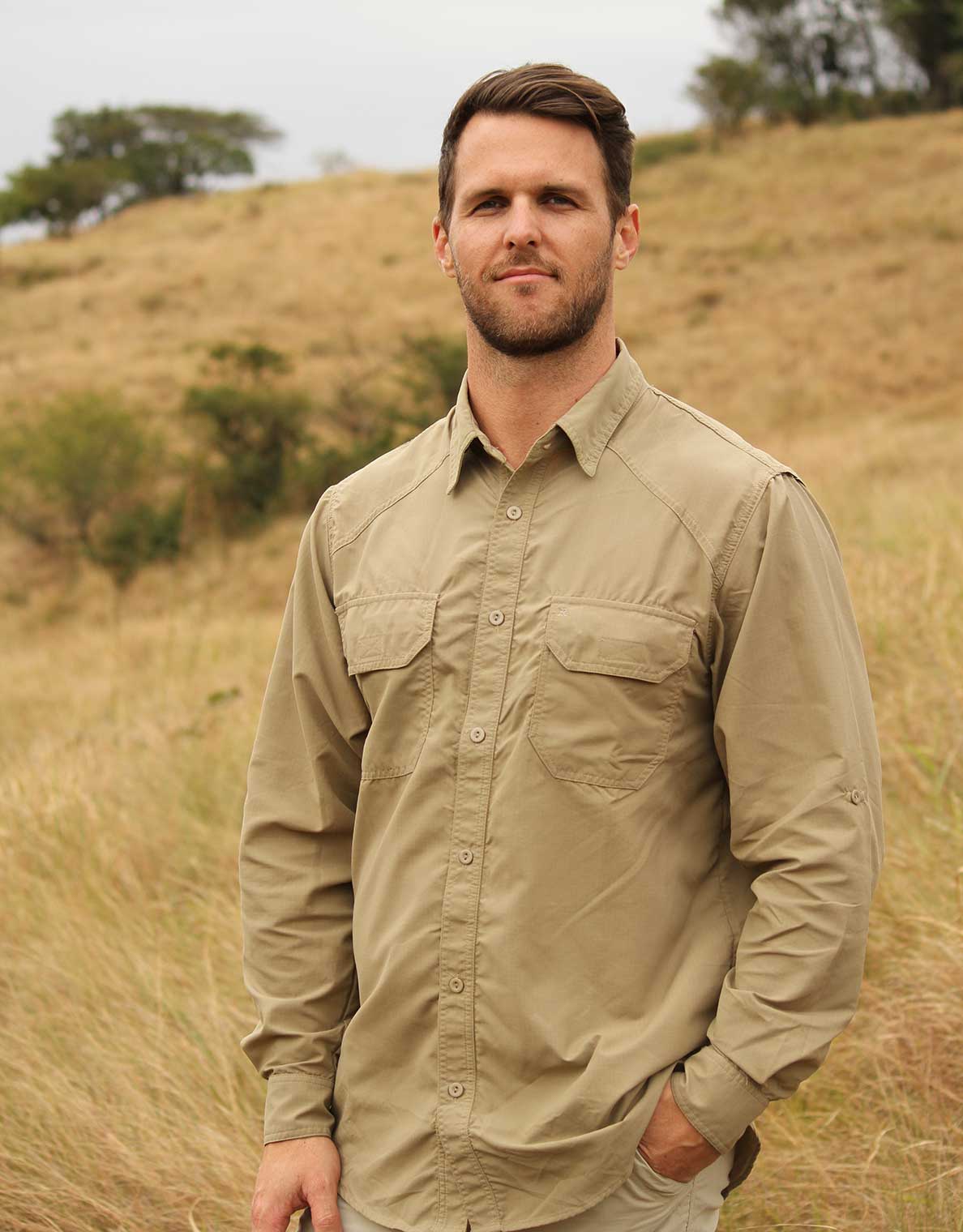
BUGTech™ Clothing
Technical clothing is best for safari. Our BUGTech™ safari clothing is lightweight enough to cover up for sun and insect protection even when the day heats up in the Ngorongoro Crater. This clothing also wicks moisture, which helps to keep you cooler and more comfortable than other fabrics. Make sure you pack long-sleeved safari shirts with roll-up sleeve tabs and zip-off safari trousers so you can adjust your outfit as conditions change during the day.
Shop now >
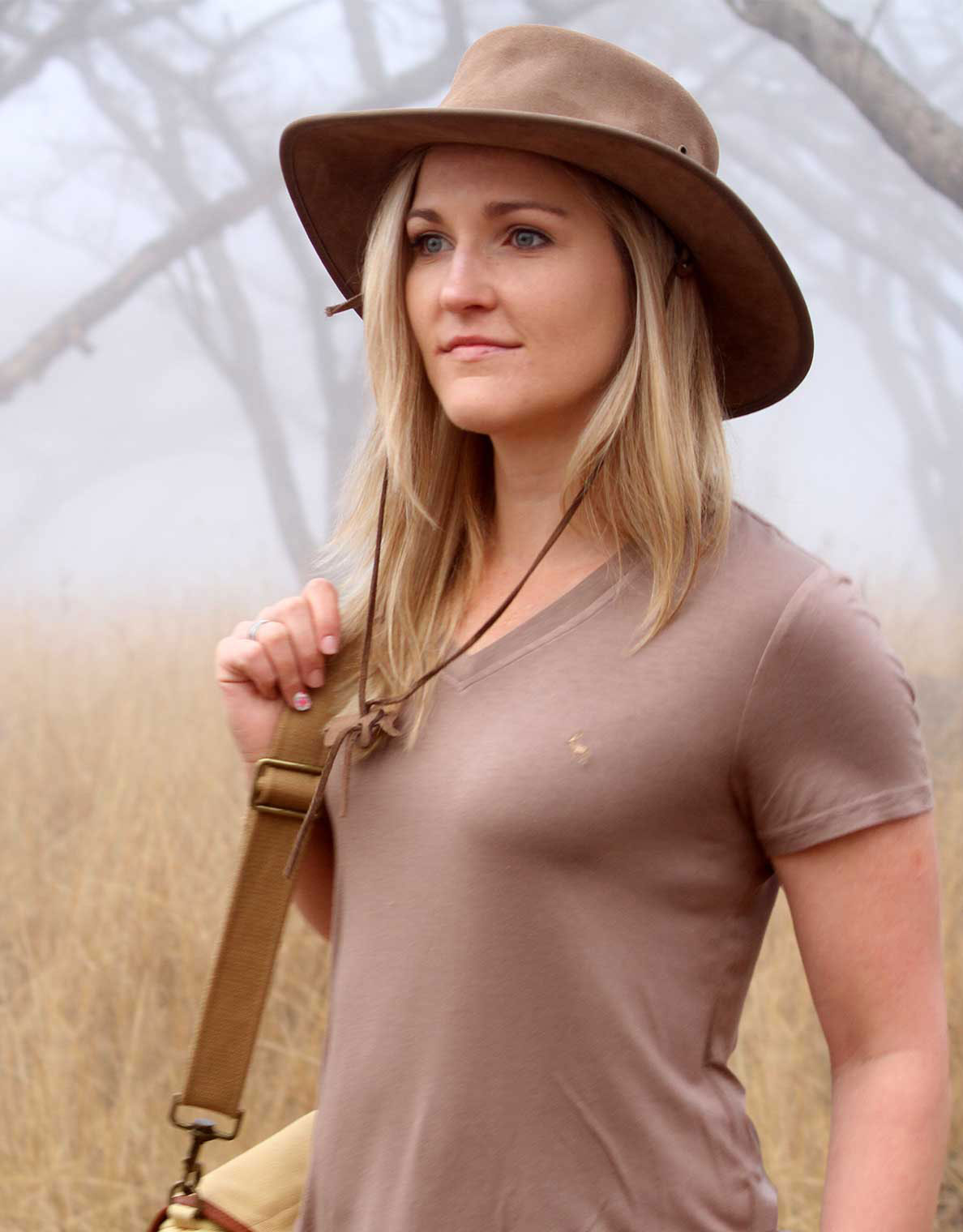
Non-Technical Safari Clothing
Take along non-technical clothing in safari-friendly colours and safari-tested fabrics, which will allow you to mix and match your safari outfits in Tanzania. Pack a selection that includes the Serengeti T-Shirt, joggers and shorts for women and Savute T-Shirt, Cargoes, and Shorts to create the perfect safari outfit as you explore the Serengeti.
Shop now >
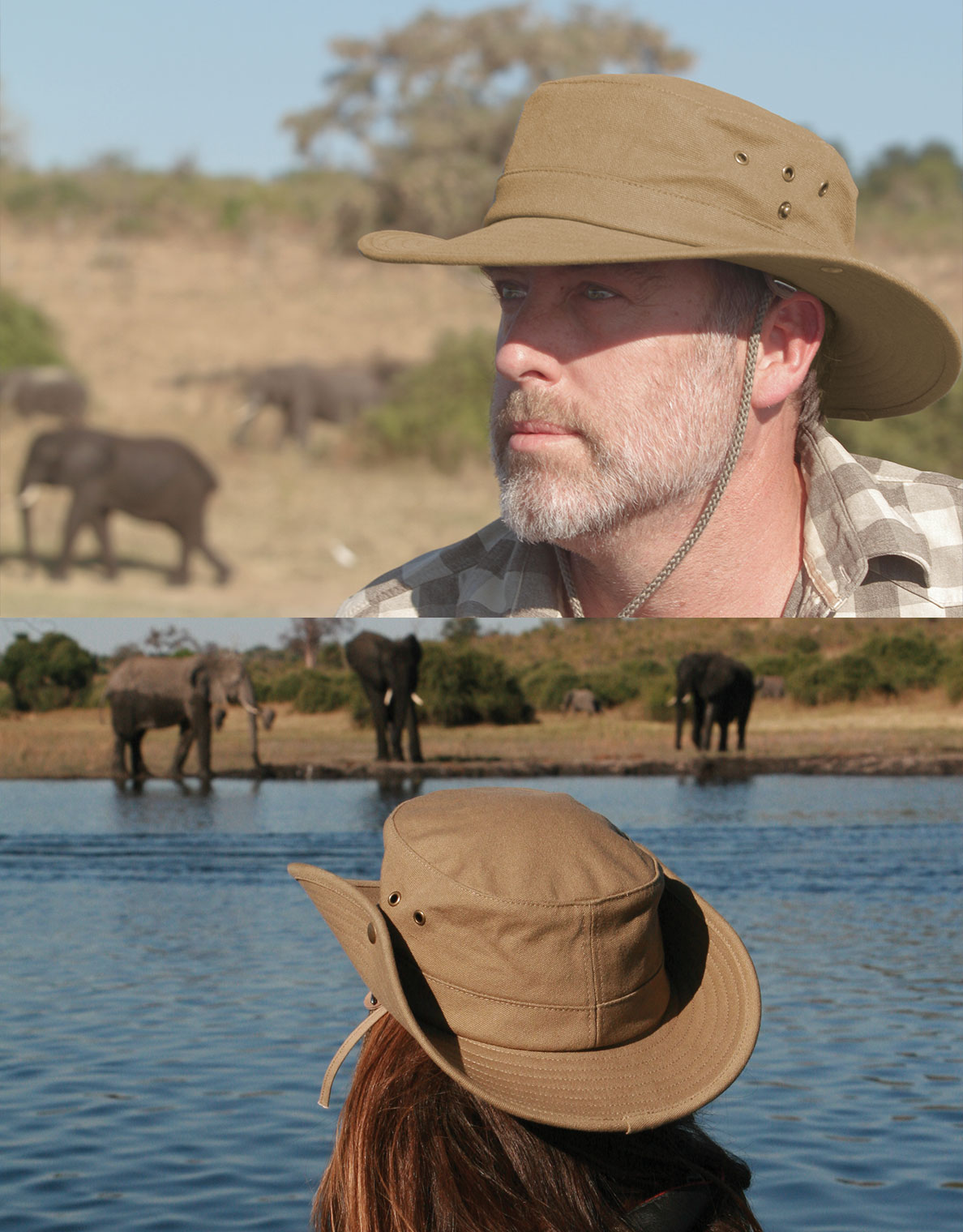
Wide-Brimmed Safari Hat
From enjoying game drives to Maasai village tours, you're going to be out and about in the sun on your Ngorongoro adventure. The best way to protect your face and neck from the sun is with a safari hat with a 365-degree wide brim. For the best all-round sun protection, always apply and re-apply a reliable sunscreen and cover up in UPF50+ SAFARITech and BUGTech™ clothing and accessories like the Vintage Print Head&Neck Scarf.
Shop now >
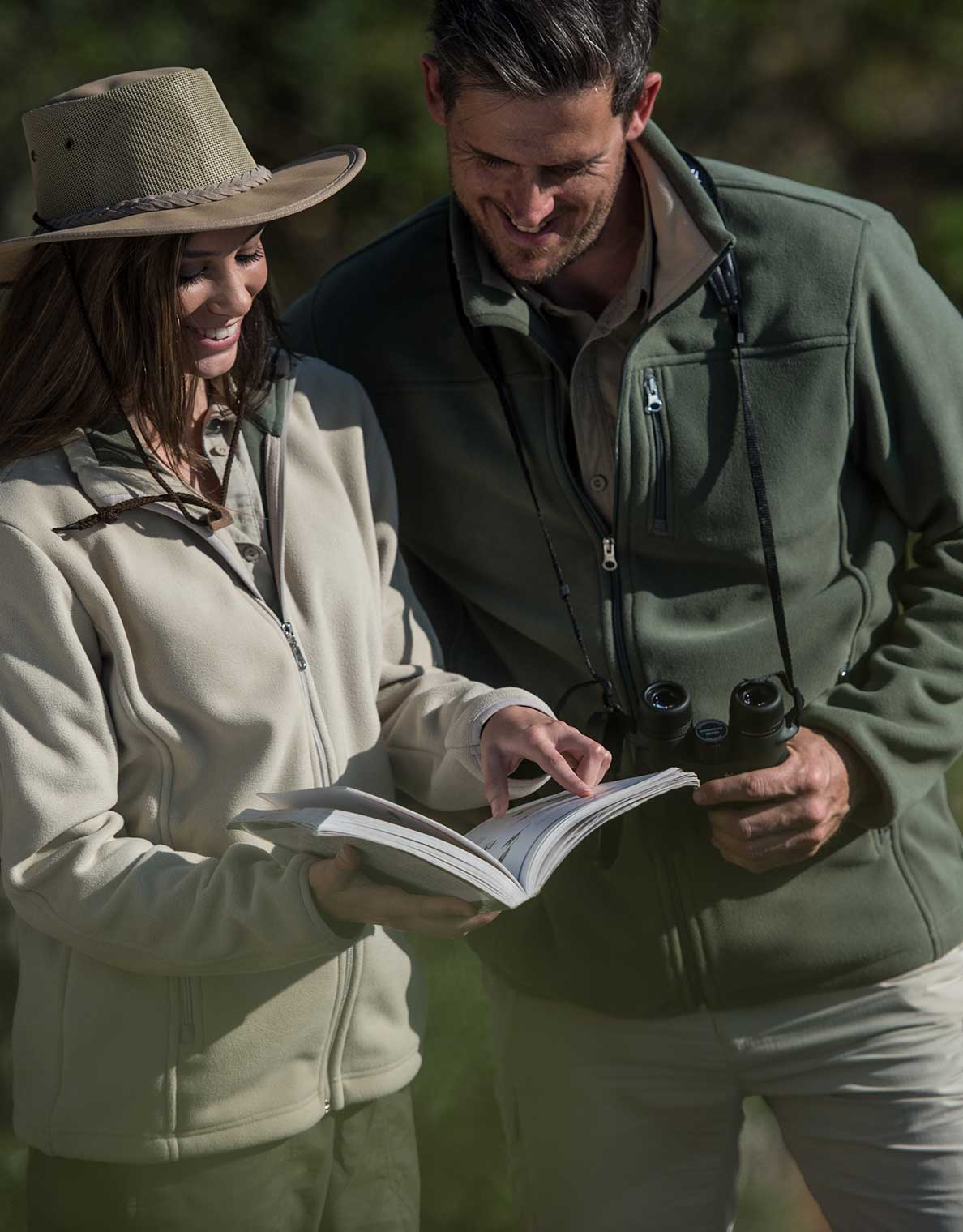
Safari Jackets and Fleeces
Ngorongoro sees very low temperatures. While it tends to be colder on the rim than on the crater floor, a good warm layer is one of the safari essentials for a visit to Ngorongoro. Make sure you pack a fleece jacket and add a packable waterproof jacket to be rain-ready and to beat wind chill.
Shop now >
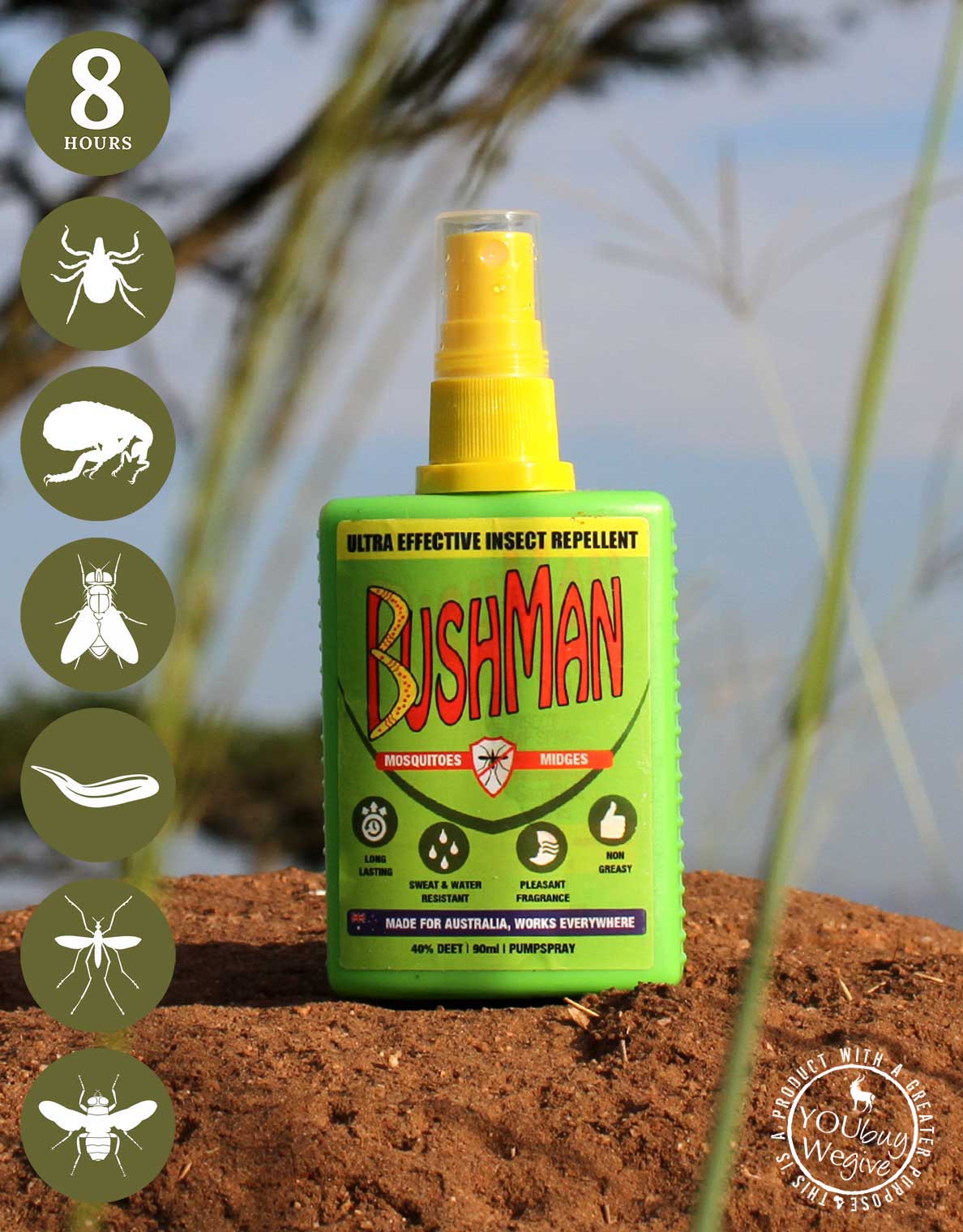
Insect Defence
Reduce the worry and the nuisance of insects by pairing our bestselling BUGTech™ clothing with a reliable insect repellent. Make sure you apply insect repellent frequently throughout the day to reduce your chances of getting bitten and to repel flies and other insects.
Shop now >
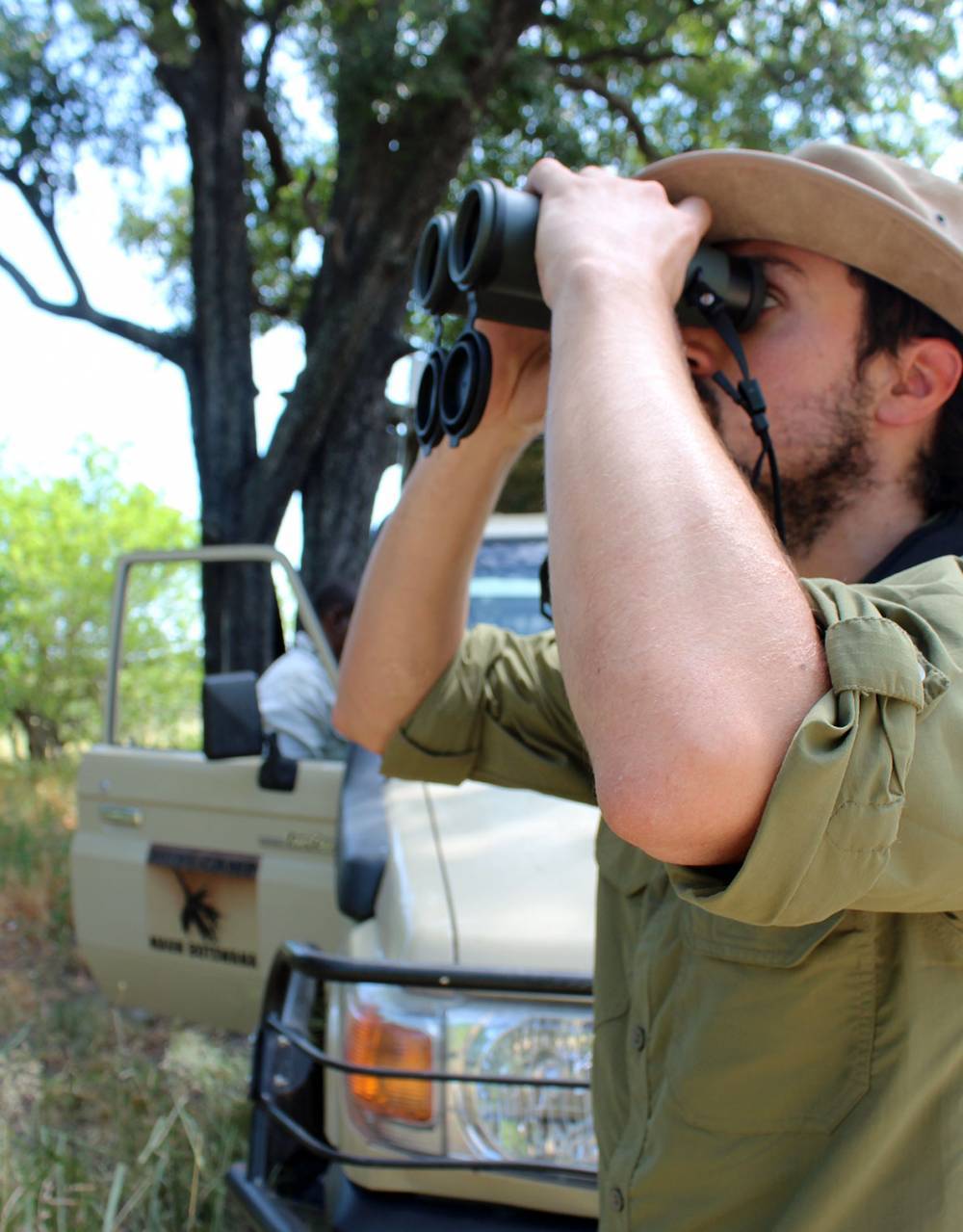
High-Quality Binoculars
Superb game-viewing is on the cards inside the Ngorongoro Crater basin, but not all sightings happen up close. Don't miss a moment of the action and view the crater's beautiful wildlife in crisp detail with a pair of high-quality optics from brands like Swarovski or Vortex. Make sure you pack one pair per person. If you're local, check out our binoculars rental service (UK only).
Shop now >
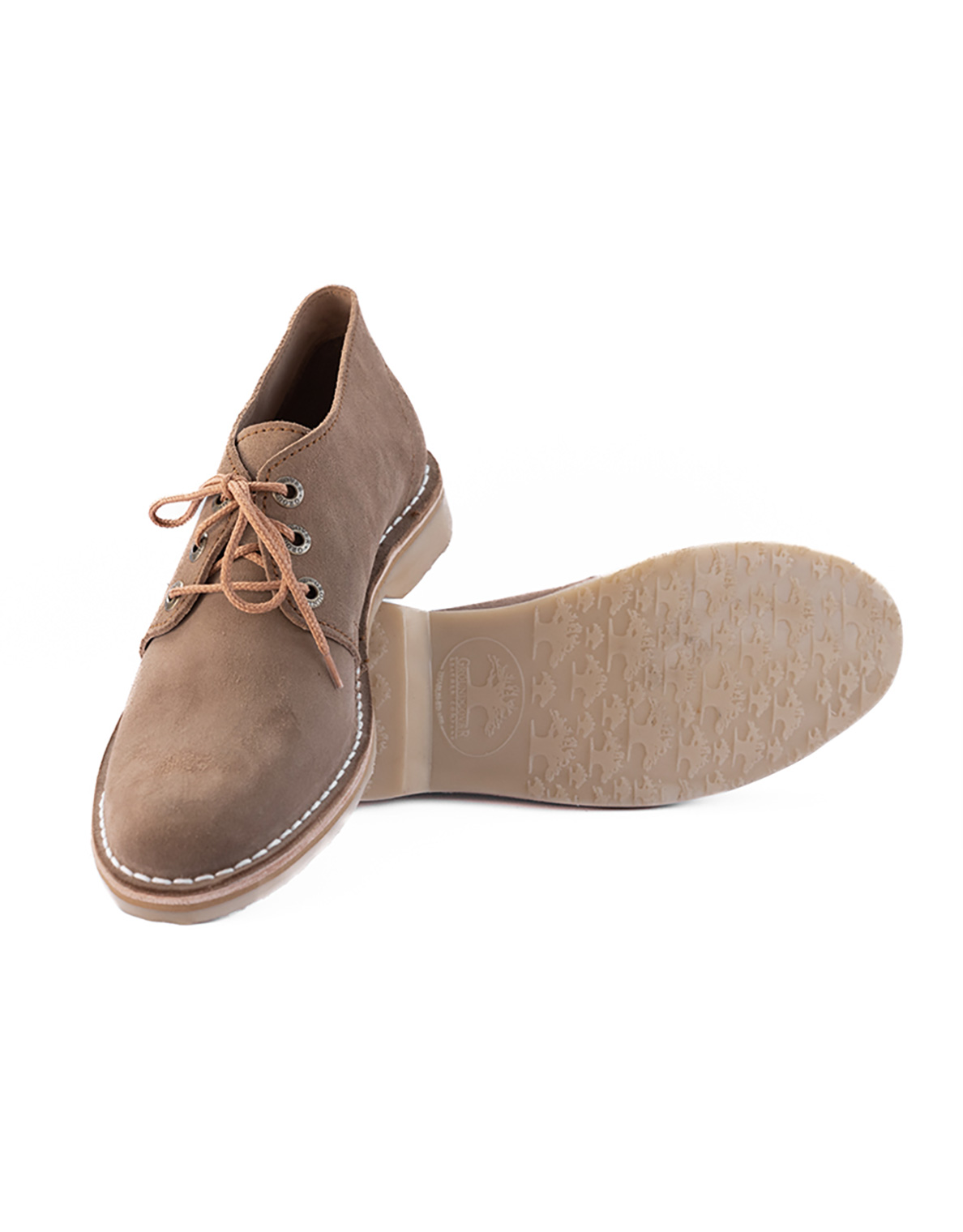
Shoes for Safari
Whether you are going for a walking safari in the Ngorongoro Conservation Area, stop off for a Maasai village tour, or wonder what shoes are best for nighttime around the lodge, closed shoes are a must on safari. Dusty, uneven terrain and protecting your feet from insects and other creatures are two of the top reasons for this. If you are going on a bush walk (always highly recommended!), make sure you've got comfortable walking shoes and anti-blister socks. Take along a pair of sandals for around the pool at your lodge.
Shop now >
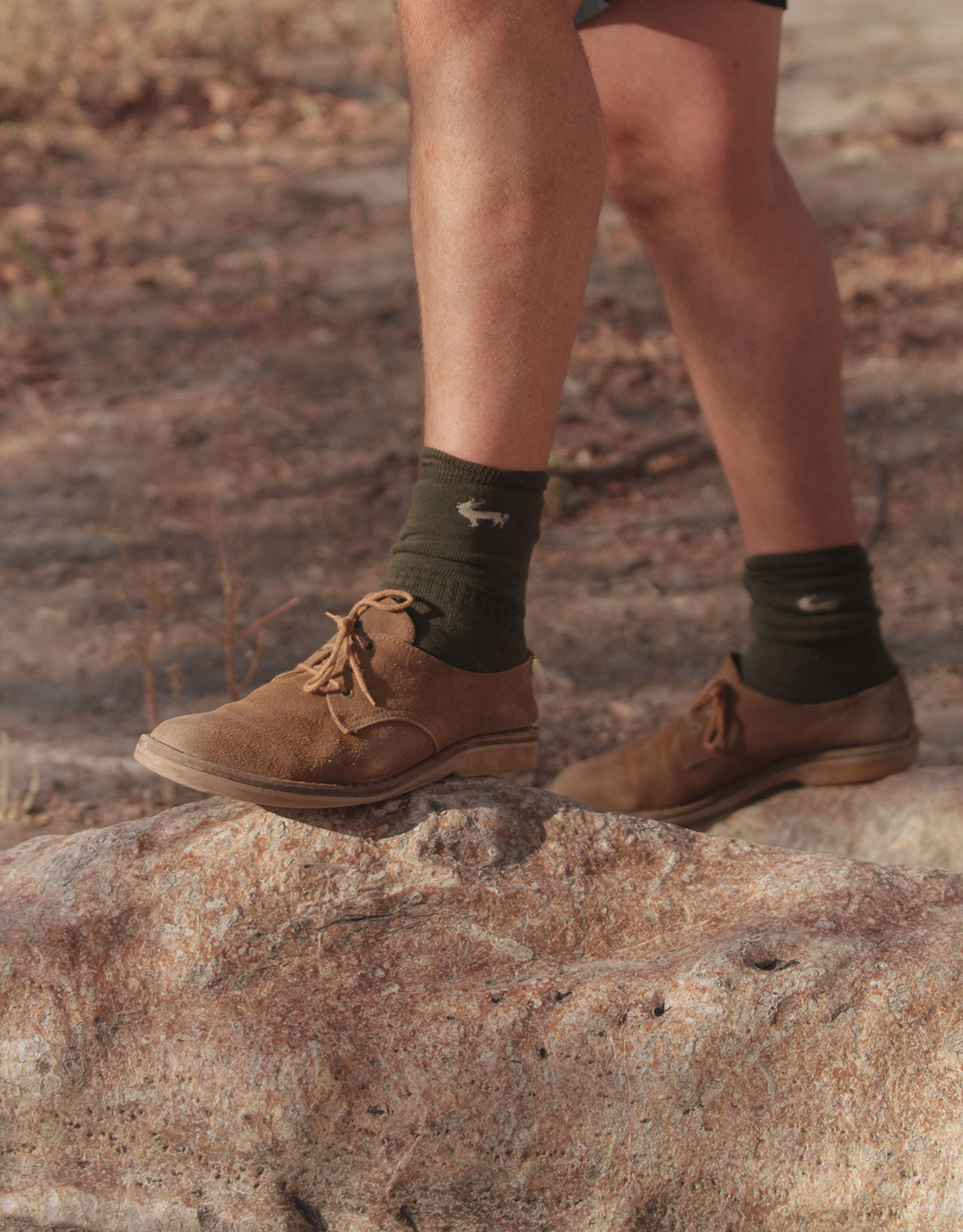
Anti-Blister Socks
A bad blister makes every step painful. Make sure you are prepared by packing anti-blister socks. In a double layered design with wicking yarns, these high-performance socks help to keep your feet cool and comfortable on every walk while you're on safari.
Shop now >
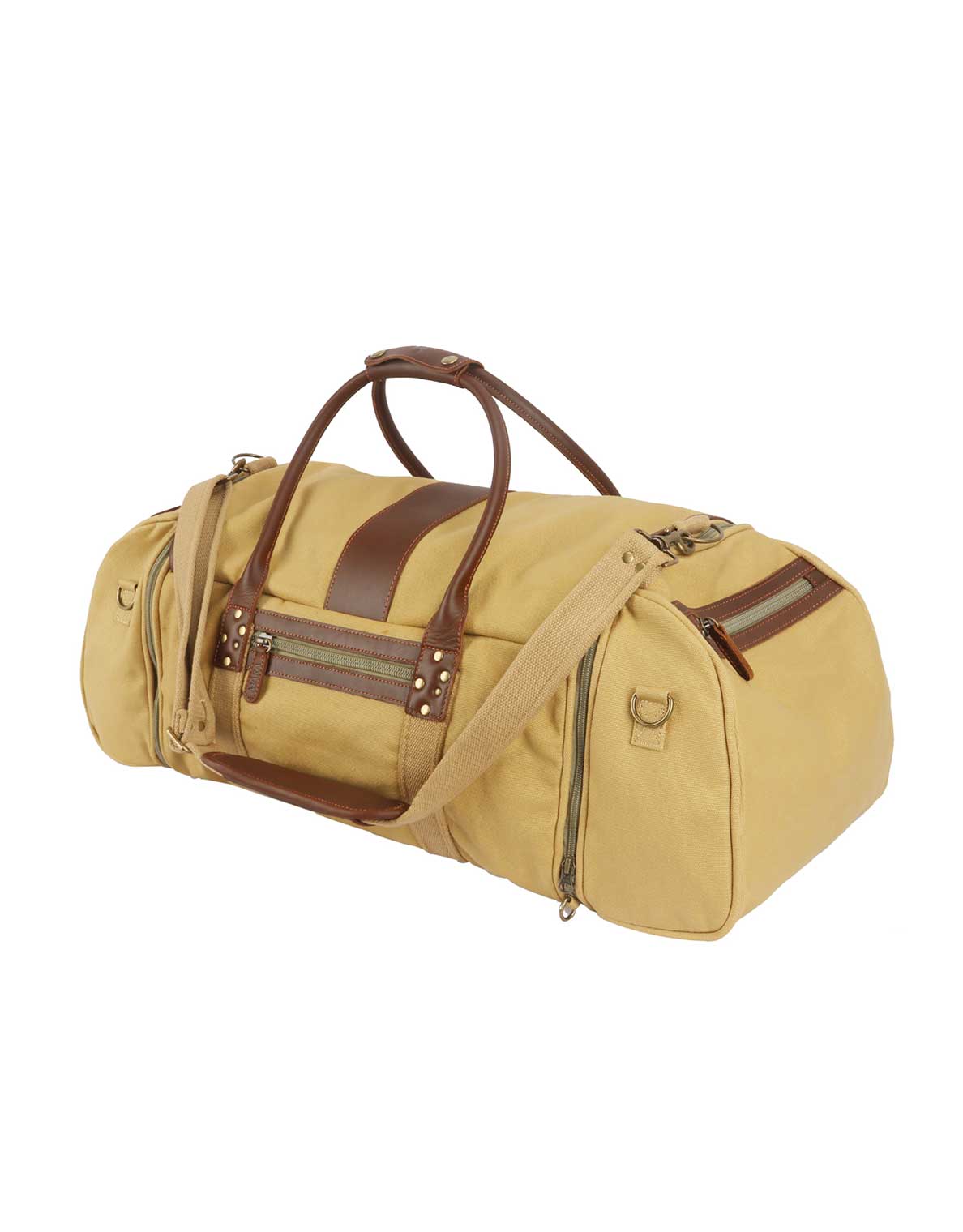
Safari Luggage and Bags
Your choice of luggage matters on safari. If you are going on a mobile safari, have a transfer by light aircraft as part of your itinerary, or simply want the best luggage for your Tanzania adventure, pack your safari clothing and gear into made-for-safari duffels and satchels for game drives and activities.
Shop now >
Tanzania Links:
Ngorongoro Destination Story | What To Pack for Ngorongoro | Quick Travel Tips for Ngorongoro Crater | Serengeti Balloon Safari | The Great Wildebeest Migration | Serengeti National Park Overview | Southern Serengeti, the Ngorongoro Conservation Area, Ndutu, and Olduvai | Central Serengeti, Seronera, and Grumeti | Northern Serengeti, Kogatende, and the Mara River | Quick Travel Tips For Serengeti National Park | What To Pack For a Serengeti Safari | Steve's Top 5 Packing Tips for a Tanzania Safari