Travel Tips for a Serengeti National Park Safari
Stories: ALL | ADVICE | EXPEDITIONS | DESTINATIONS | NEWS | PROJECTS
Serengeti Travel Guide
Find out what you need to know before you go by reading this Serengeti travel guide
Serengeti Travel Advice Links:
What To Do in the Serengeti | Seeing the Great Migration | What To Pack for a Serengeti Safari | When to Visit the Serengeti | Serengeti National Park FAQs | Where To Go in Serengeti National Park
The Serengeti is one of the most famous safari destinations in the world. Known for being the location of the Great Migration, this park in Tanzania attracts hundreds of thousands of people every year. From camping tour groups to luxury mobile safaris and classic safari lodges, there are a wide range of accommodation options and experiences to be had across the park. Begin your travel planning right here, with tips from our own Serengeti experiences and industry insights. We are passionate about helping our clients to prepare for their safaris. Keep reading for our quick tips and safari packing advice.
Shop Safari & Travel Clothing >What To Do on a Serengeti Safari
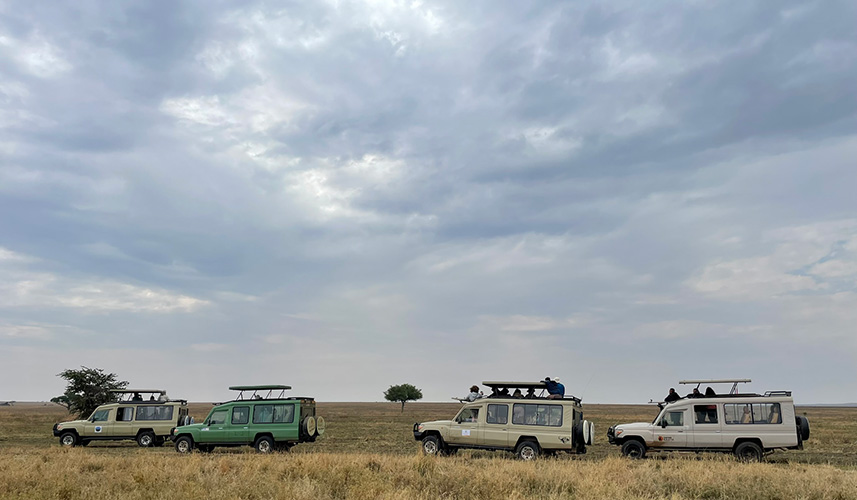
- Game Drives: Game drives headed by professional guides and trackers are an amazing way to experience the wildlife wonderland that is the Serengeti National Park. From sitting in wait for river crossings of the Great Migration to covering ground and taking in the incredible landscapes the park has to offer, local knowledge and wildlife expertise enriches the experience enormously.
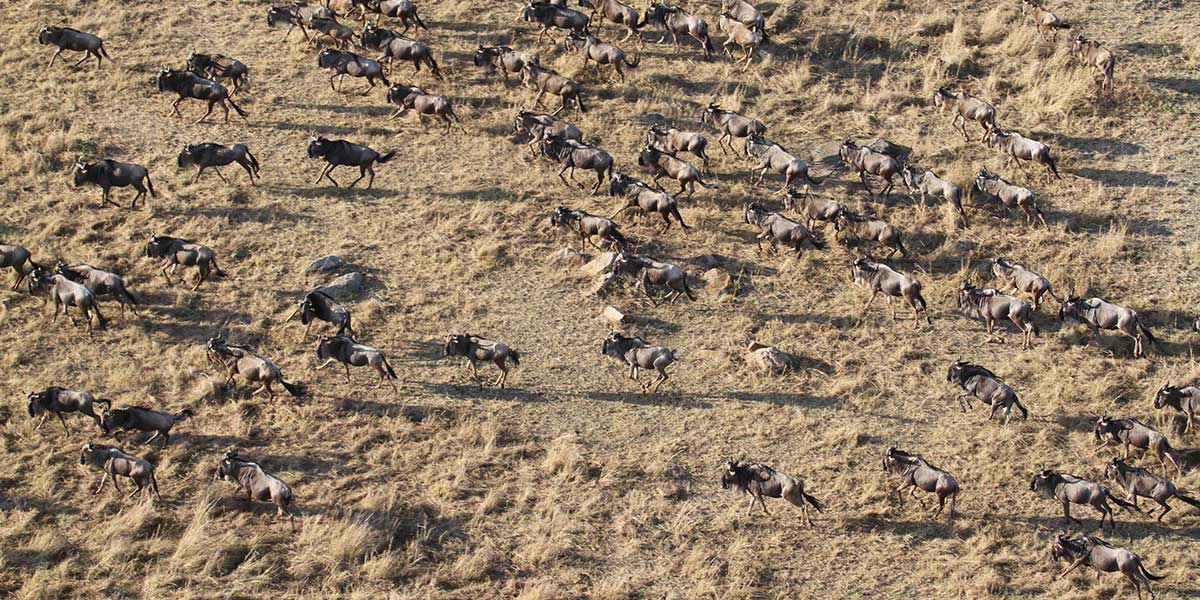
- Follow the Great Migration: For many visitors to Serengeti National Park, the Great Migration is high on the agenda. Seeing animals at this scale is something truly special - and predators, river crossings, and the sheer spectacle of this natural marvel add to the drama. Time of year factors into this, as touched on below - as the name suggests, millions of animals on the move means the giant herds aren't everywhere all year round.
- Balloon Safaris: Floating over the plains of the Serengeti is unquestionably one of the most memorable experiences. Hot air balloon safari operators have operations throughout the different regions of the park - adding a completely different dimension to the safari experience.
- Serengeti Walking Safaris: From short bush walks to longer walking safaris, never pass up an opportunity to walk in the bush. Large tracts of wilderness extend beyond the well-trodden tourist tracks in the Serengeti, making this a wild, remote walking safari destination - guided only. Walking safaris are allowed through a selection of companies so, if you have your heart set on a walking-focused safari, find out about your lodge's or operator's offering before you book.
- Serengeti Birdwatching: There are over 500 bird species in the Serengeti National Park. There is exciting birdwatching potential for passionate twitchers and occasional birders alike, with endemic, migratory, and East African species to observe and photograph.
- Look Beyond the Migration: While the migration is an incredible natural event which we think everyone should (must) experience at least once, the Serengeti would stand out as a destination even if it did not have the Great Migration. The scenery is vast and dramatic, the wildlife is not only centred around the migration as each valley, plain, and mountain has its own ecosystem around which wild animals are just about always to be found, and the main predators - lion, leopard, cheetah, hyena, wild dog - are all territorial and so do not move with the herds. We have also seen significant herds of wildebeest and zebra well away from the main mass of the Great Migration - sometimes a hundred or more kilometers away.
Quick Tips on the Great Wildebeest Migration in Serengeti National Park
- What is the Great Migration? The Great Migration is the name given to the movement of millions of wildebeest, zebras, and gazelles across around 1000 kilometres of the Serengeti-Mara eco-system.
- What causes the Great Migration in Africa?: The wildebeest, zebra, and gazelles of the Great Migration follow seasonal rains - and the fresh grazing that follows. This leads them on a cyclical - though not 100% predictable - route that results in vast herds making their way south for calving every year.
- When is the best time to see the wildebeest migration in Tanzania?: The Great Migration is happening all the time. It is more a question of where to start looking. Calving takes place in the south. From about May when the dry season takes hold, the herds start to move north along the western corridor. July to August sees the start of the herds crossing into the Masai Mara, which carries on back and forth into September. The short rains in October see herds starting to move south again, back down to Ndutu to the south for calving in late November. Note: there is no way to truly predict the movement and location of the herds, as many factors will affect the course of these animals. This means there will always be an element of chance when booking a Serengeti safari with the Migration in mind.
Serengeti Packing Advice:
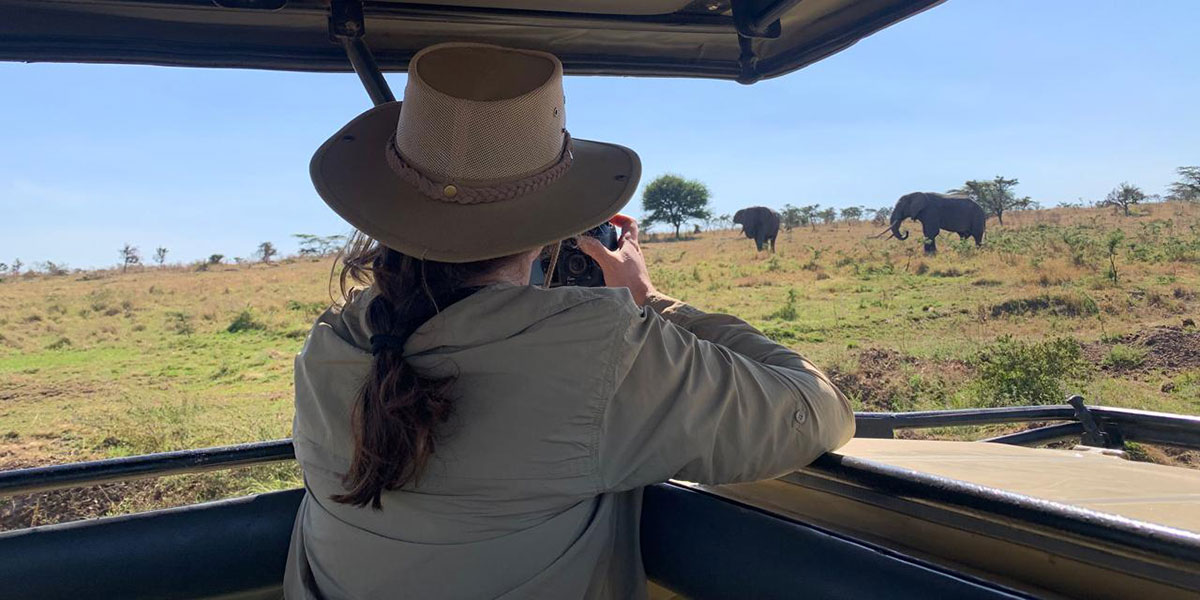
An essential paert of your Serengeti safari preparations involves what to put in your suitcase (and what suitcase to take) for the best adventure. At The Safari Store, we have designed, developed, tested, and refined our made-for-purpose safari clothing around the realities of African travel. Our detailed Serengeti safari packing advice ensures you are kitted out in high-performance safari clothing that is a match for every element of your travels.
When To Visit the Serengeti
- What are the best months for a safari in the Serengeti?: The best time to visit the Serengeti depends on a range of factors. For seeing the Migration, picking an area where the herds are likely to be according to the season and rains will be a consideration. With the Serengeti's beauty and game-rich landscapes, you're sure to have an excellent safari experience no matter what time of year you travel. Read more about peak and low season travel below.
- When is peak season in the Serengeti?: Peak season in the Serengeti takes place from about July to October. Deciding to travel over peak season comes with a few caveats. This includes peak season rates, which will affect budgeting, as well as the need to book in advance for everything from luxury safari camps to mobile safari offerings. This is the busiest time of year for the park, which means busy sightings are to be expected.
- When is low season in the Serengeti?: November and December, April and May are low season in Serengeti National Park. The park tends to be quieter over all and prices reduce. The weather is hotter and rainier, but there is the opportunity to see baby animals and migratory birds across the park.
- How you get there matters: If you are not up for long days in the car and really rough roads, make sure you opt for a fly-in safari. The bumpy roads and big distances of the Serengeti and surrounds could put a dampener on your experience if rugged travel is too much for you. If you are up for a bit of adventure, but want to go in a group with a guide, a mobile safari could be a good balance.
Serengeti Safari FAQs
- How many days do I need in the Serengeti?: Four full days in the Serengeti is considered the very minimum. Serengeti National Park is around 15 000 square kilometres. That means there is a lot of ground to cover. While many Serengeti safaris rush between the Serengeti, Ngorongoro, and other destinations, there is an argument for staying longer and seeing more in the Serengeti.
- Where to stay in the Serengeti: The answer depends on your budget and accommodation preference. Serengeti National Park offers everything from high luxury to 'exclusive campsites' that are a clear piece of ground with nothing else, so there are options for every kind of traveller. Your tour operator - or connecting with a reputable operator on the ground in Tanzania - presents you with options that are the best match for your needs.
- How much should I tip my safari guide in Tanzania?: While it is your decision to tip or not on safari in Tanzania, we recommend taking sufficient cash to tip the guides and staff that are so central to your experience. How much to tip is also ultimately up to you, but the generally agreed amount is $10-$20 per person per day for guides and trackers. US dollars are also generally best. Guides are tipped directly, while a general staff tip can be left - and this can be done at the end of your stay. The general staff tip box generally does not include the guide, tracker, and butlers - ask the manager at the start of your stay. It is worth factoring in what you are tipping for. This isn't a steak and red wine dinner in the city you are tipping someone for; it is being guided and cared for in what is perhaps the greatest wildlife area in the world - or at least one of them. Tips are greatly appreciated, so tip as much as you think the experience is worth. After all, to go is to give back - and tipping gives back directly to the people who work tirelessly to ensure you have the best possible time on your safari.
- Is a Serengeti safari safe?: A Serengeti safari is generally very safe. It is important to always book through a reputable operator - and it is especially important to always listen to your guide around wildlife and to adhere to the park rules. Tourist behaviour around the Great Migration has been rightly criticised over the past few years, with tourists en masse outside of vehicles and sometimes blocking wildebeest. Remember that no photograph is ever worth the risk that comes with ignoring reasonable precautions around wildlife. Preparing by having medications at the ready is a worthwhile exercise as there is no medical infrastructure in or around the park.
- Is there malaria in Serengeti National Park?: The Serengeti National Park is said to have a relatively low risk of malaria. However, the risk is not zero, which makes it important to prevent bites. Always consult with your medical practitioner about the need for prophylaxes before travelling. Prevent bites by covering up in BUGTech™ anti-insect safari clothing and using a reliable insect repellent.
- Where to go in Serengeti National Park: Find out more about the different regions of Serengeti National Park by clicking through to our safari stories below.
Northern Serengeti
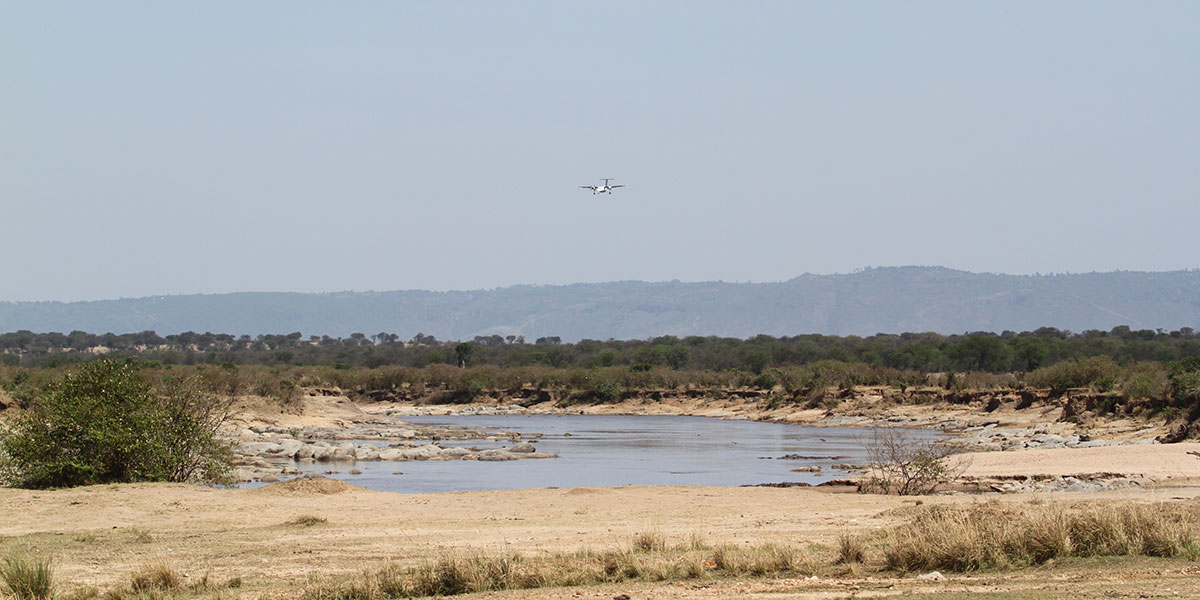
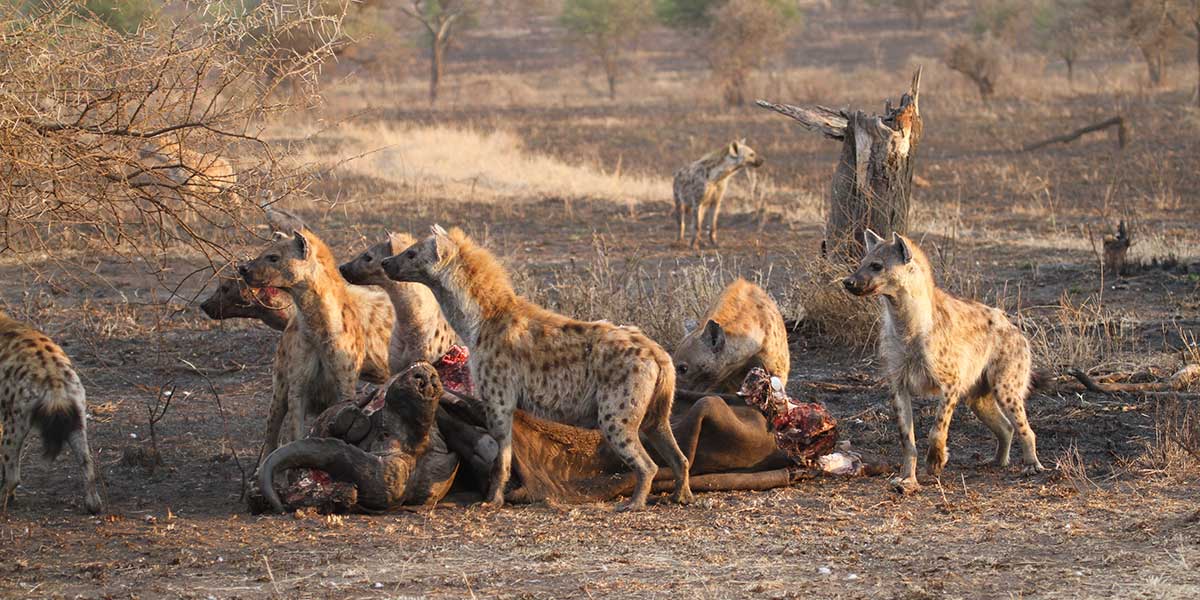
The northern Serengeti tends to be slightly quieter than some of the other regions of the park. When the Great Migration passes through the northern Serengeti, dramatic Mara River crossings add to the pull of the area. Read more about the area in our Northern Serengeti story.
Central Serengeti and Seronera
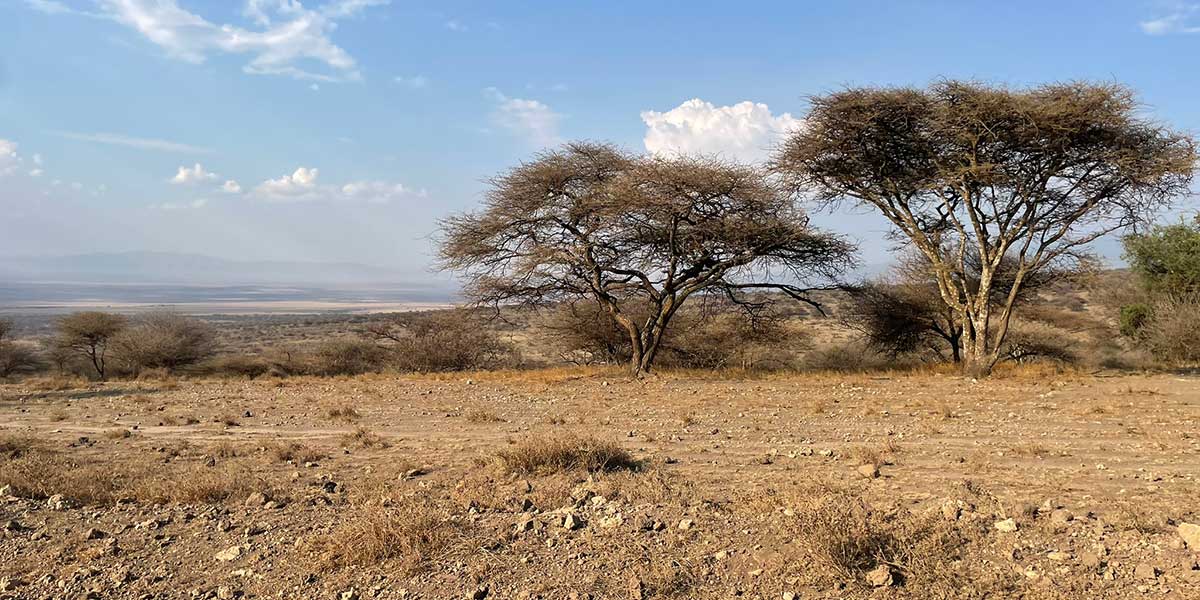
A busy part of the park - especially during peak season - the central Serengeti is the meeting point of the hills and plains of Serengeti National Park. The Seronera River Valley features exquisite riverine vistas, far-reaching plains, and gorgeous kopjes. Extending east and across to the Western Corridor that stretches all the way to Lake Victoria and Grumeti, the heart of the park boasts incredible biodiversity and game-viewing potential. Read our Central Serengeti safari story.
Southern Serengeti
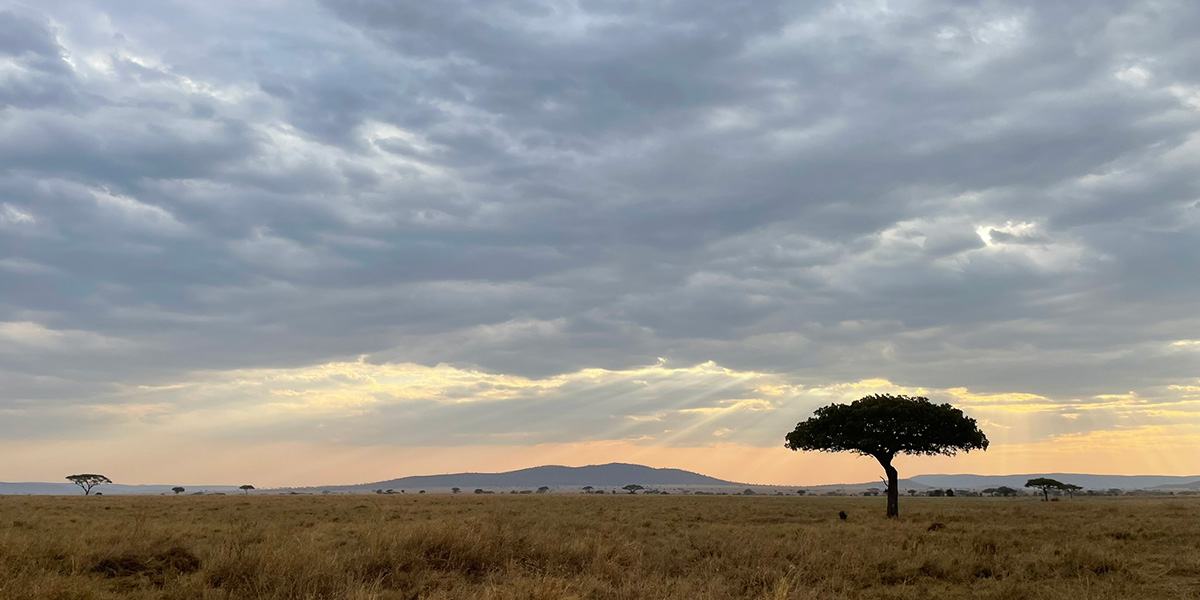
The Migration's calving season takes place in the south of the park around Ndutu. This area stretches beyond the park boundary as the Ngorongoro Conservation Area all the way to the crater. The Ngorongoro Conservation area is a cross-section of past and present - a place where Maasai pastoralists retain their traditions in a modern world, alongside wildlife. Encompassing Olduvai Gorge - where the Leakeys uncovered remains of early hominids - find out more about this fascinating, important part of the park and the country. Read our Southern Serengeti story.
Serengeti Links:
Serengeti Balloon Safari | The Great Wildebeest Migration | Serengeti National Park Overview | Southern Serengeti, the Ngorongoro Conservation Area, Ndutu, and Olduvai | Central Serengeti, Seronera, and Grumeti | Northern Serengeti, Kogatende, and the Mara River | Quick Travel Tips For Serengeti National Park | What To Pack For a Serengeti Safari