Quick Tips on How To Prepare for a Safari to Ngorongoro Crater
Stories: ALL | ADVICE | EXPEDITIONS | DESTINATIONS | NEWS | PROJECTS
A Quick Travel Guide to Ngorongoro Crater
A Quick Travel Guide to Ngorongoro Crater
Ngorongoro Travel Advice Links:
How To Get the Most Out of Your Ngorongoro Safari | When To Go | What To Pack for a Ngorongoro Safari | Wildlife of Ngorongoro | Ngorongoro FAQs |
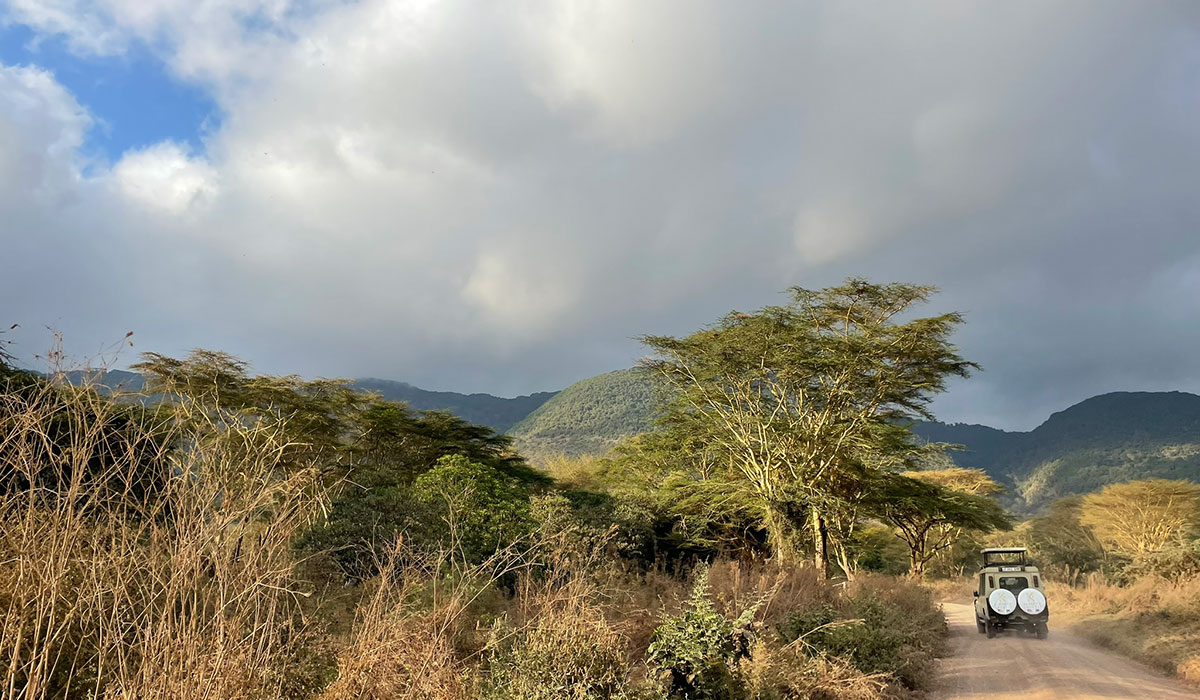
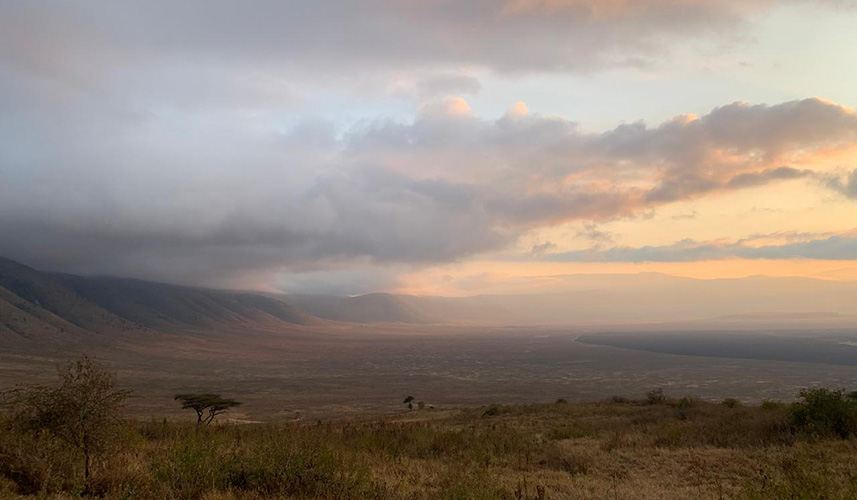
Ngorongoro Crater is one of Africa's great natural wonders and an extraordinary safari destination. The world's largest inactive, intact caldera, the basin created by this ancient volcanic eruption has created an Eden for wildlife. The crater itself is a small part of the Ngorongoro Conservation Area, which stretches to Serengeti National Park. From incredible wildlife sightings to unforgettable landscapes and the cultural heritage of the Maasai that live beyond the crater walls, find out more about what to expect and how to prepare for a Ngorongoro safari.
Shop Safari & Travel Clothing >
How To Get The Most Out Of Your Ngorongoro Safari
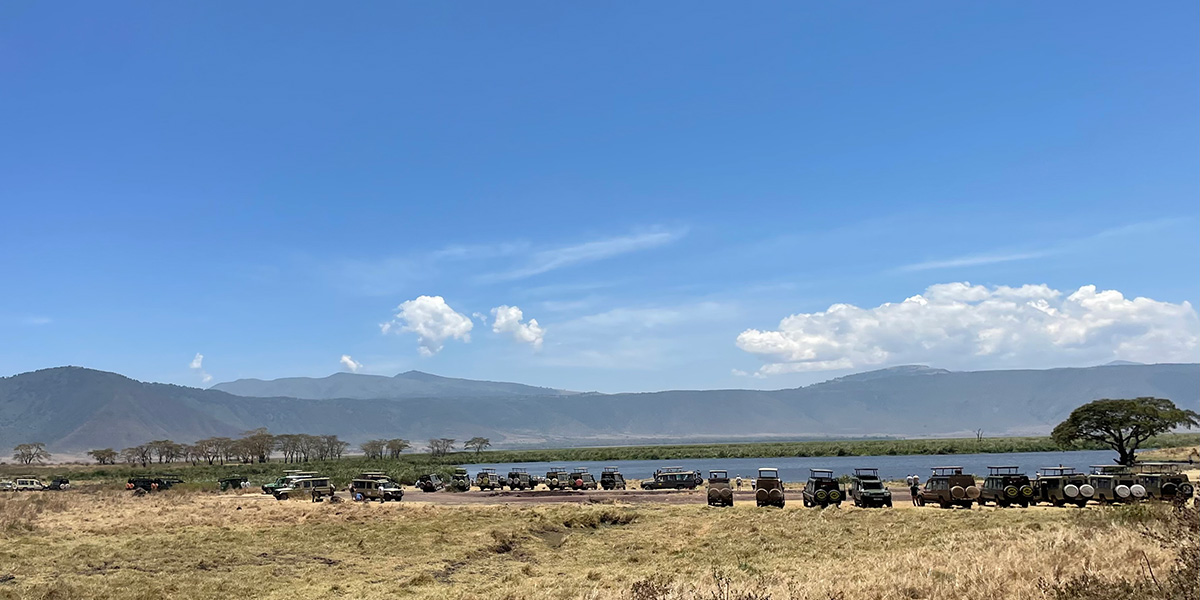
- Be There When the Gates Open: Ngorongoro Crater gets extremely busy - especially during peak season. This means it is likely that you will sometimes share sightings with many other vehicles. Getting there early is not only great for seeing predators on the move, but also tends to be a little quieter.
- Break Away From the Crowds: When the crater is busy with game viewers, clusters of cars give a pretty good idea of where the action is happening. If you are after a quieter safari experience, break away from the hustle and bustle of busy sightings and explore the wonder of the crater on your own.
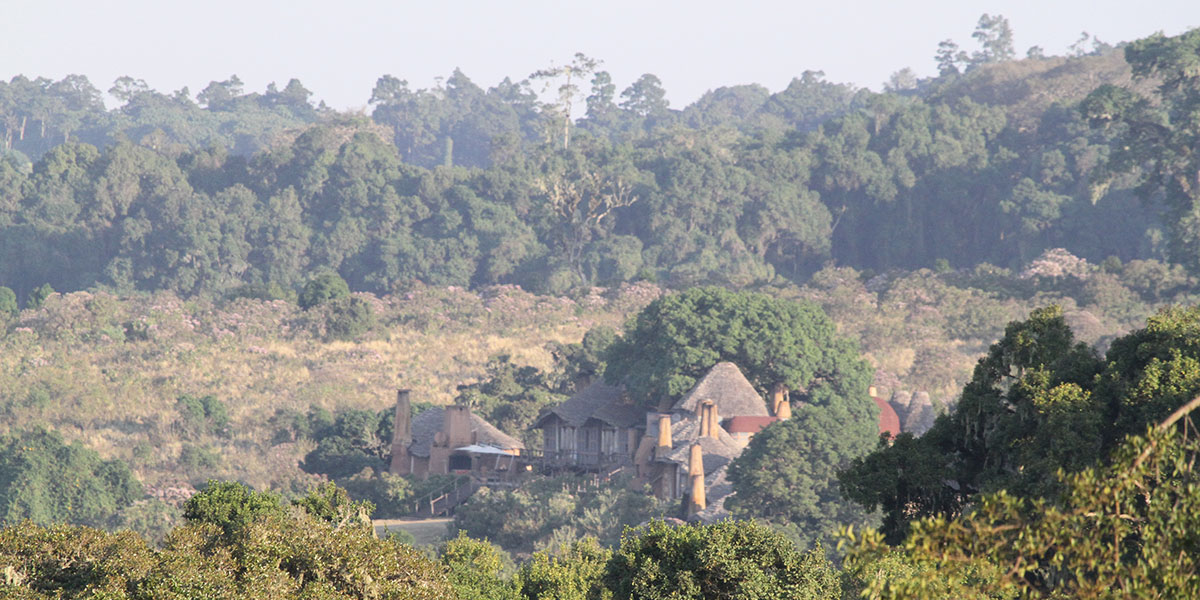
- Stay Nearby: There is no Ngorongoro accommodation inside the crater. The idea that the wildlife is left completely alone at night is an amazing thought - that it is left to reset and be wild by night. You may not be able to stay inside the crater itself, but staying on the rim in a lodge or campsite is an unforgettable experience - and shortens the drive if you aim to go into the crater as the gates open in the morning.
- Be Prepared for Bad Roads: The road between Serengeti and Ngorongoro is notoriously bad. The steep roads in and out of the crater require 4x4 and some focused driving. If you are not up to rugged safari travel, explore the fly-in options that work for you and your budget.
- Activities Outside the Crater: While game driving the crater is undeniably one of the main attractions, guided walks in the Ngorongoro Conservation Area are on offer, as well as cultural tours of Maasai bomas - all of which enrich the experience.
- Plan Ahead: The popularity of Ngorongoro makes it important to plan ahead. If you are planning to visit during peak season, you may need to book accommodation ahead of time. Look into the updated annual fees for budgeting.
When is the Best Time to Visit Ngorongoro Crater?
- When is the high season in Ngorongoro? Ngorongoro's peak season takes place during Tanzania's dry season between June and October. This time of year is busier and the prices a little higher. The peak season pivots on seasonal considerations and Tanzania's two rainy seasons, but different times of year will hold appeal for different people.
- January to March in Ngorongoro Crater: January and February fall between the two rainy seasons in Tanzania. There is a short dry season before the rains at the end of March in Ngorongoro. Calving wildebeest in Ndutu in the Serengeti, as well as low season rates make this a great time to travel. Dry conditions are also ideal for easy game viewing.
- April and May in Ngorongoro Crater: The rains return in April and May and the area experiences thunderstorms and almost daily rainfall. This is the low season for tourists and a quieter time to visit Ngorongoro.
- June to September in Ngorongoro Crater: Early June sees lush, green vegetation during the rains. Conditions become drier and dustier as the dry season takes hold - and visitor numbers increase too. Peak season tends to begin towards the end of June. These dry conditions reach their zenith in September (and into early October), which is the start of spring and a very popular time of year for visitors.
- October to December in Ngorongoro Crater: At the end of October, the short rains begin and the conditions in the crater are extremely dry before they begin. November and December feature occasional rainfall, and the weather warms up slightly. Migratory birds arrive, making this a wonderful time of year for birdwatching.
Ngorongoro Packing Advice:
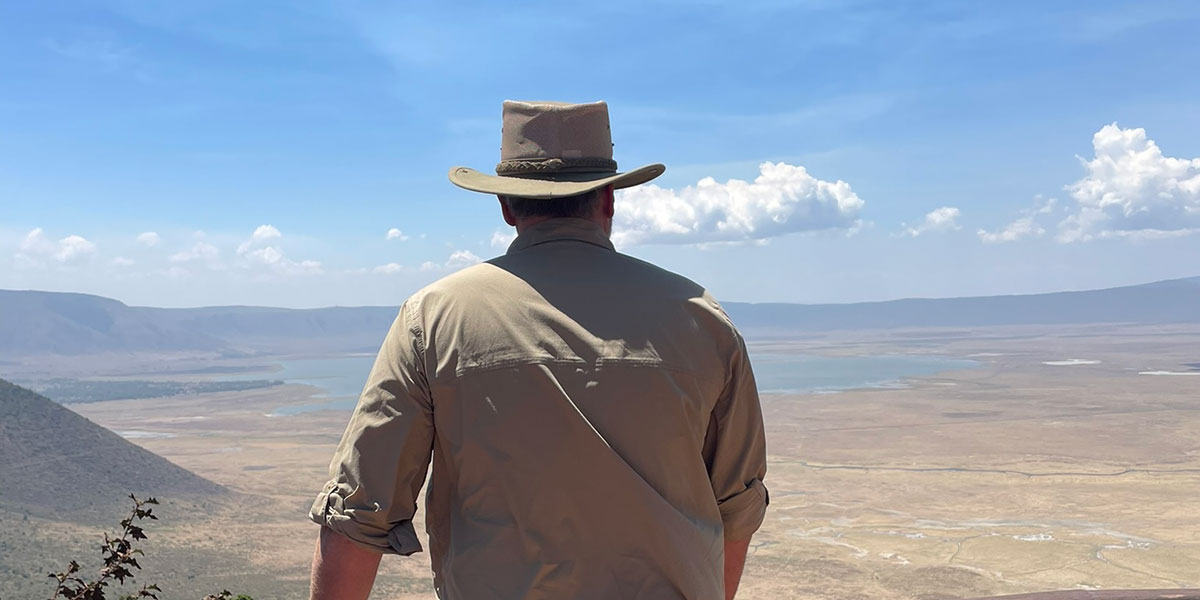
Be prepared for high altitude and conditions that may change throughout the day. It is important to dress in layers, with a reliable warm layer and lightweight sun protective clothing to protect yourself from the cold of the crater rim and the heat within the crater basin at midday. Read our full Ngorongoro safari packing advice for in-depth expert tips and use our safari packing list tool to generate your own safari packing checklist.
Ngorongoro Wildlife
- What Animals are in the Ngorongoro Crater?: One of the outstanding features of Ngorongoro Crater is its astounding wildlife. Around 25 000 animals reside in the crater basin, which makes for exciting game-viewing. The landscape and varied terrain makes for relatively easy sightings and there is nothing like taking in the scenery while looking for high-profile species like lion, leopard, elephant, buffalo, and the critically endangered black rhino.
- Why are Giraffes Not Found in Ngorongoro?: There are no giraffe in the Ngorongoro Crater. This is attributed to the gradient of the caldera walls being too steep for giraffe to navigate. It is also related to the absence of tall trees and acacias that form a crucial part of their diet.
- A Lion-Lover's Paradise: Ngorongoro Crater is said to have a record-breaking number of lions. This naturally enclosed ecosystem and the density of predators make for relatively easy game viewing. Tanzania has about one-third of the world's remaining lions and Ngorongoro lions have become the subject of intensive study for conservation of the species.
- Birdwatching in Ngorongoro: Ngorongoro Crater is home to over 500 bird species, including permanent residents and seasonal and migratory species. From Auger Buzzards in euphorbias to flamingos lining the shore of Lake Magadi and pelicans flying overhead, this is a birding and wildlife paradise in equal measure.
Ngorongoro Crater Safari FAQs
- What is the size of Ngorongoro Crater?: Ngorongoro Crater is approximately 16-19 kilometres in diameter. To get into the crater, one descends between 400 and 610 metres (up to 2000 feet) before one reaches the crater floor.
- Is Ngorongoro Crater worth it?: The answer ultimately depends on you. However, for safari-lovers, Ngorongoro Crater is a geologically fascinating location. This compact ecosystem is home to around 25 000 animals and diverse fauna, making game-viewing relatively easy. In our opinion, this UNESCO World Heritage Site and one of the Seven Natural Wonders of Africa is an experience of a lifetime.
- What is the altitude of Ngorongoro Crater?: The altitude at the rim of the crater is approximately 7500 feet above sea level, while the crater floor sits at an elevation of approximately 5577 feet above sea level. This affects vegetation, weather patterns, and wildlife distribution in and around the crater. This also strongly impacts what to pack for Ngorongoro.
- How many days should you spend in Ngorongoro Crater?: The size of the Ngorongoro Crater means it is possible to explore it in a single day. However, it is a good idea to spend the night outside the rim of the crater so you can get to the gate early and 2-3 days is generally recommended to make the most of a trip to the crater.
- Is there malaria in Ngorongoro?: There is a risk of malaria in Ngorongoro, which is higher during the rains. Prevent bites by covering up in BUGTech™ anti-insect safari clothing and using a reliable insect repellent.
- Where do you fly into for the Ngorongoro Crater?: Ngorongoro Crater is accessible by road and by air. If you are taking a transfer by light aircraft, there are two airstrips located inside the Ngorongoro Conservation Area - Ngorongoro Airstrip adjacent to the crater rim and Ndutu Airstrip. The nearest local airports are Arusha Airport and Manyara Airport, while the nearest international airport is Kilimanjaro International Airport.
- Can you see Kilimanjaro from Ngorongoro?Spotting Kilimanjaro is very rare, but is apparently possible from elevated vantage points and the rim of the crater. Kilimanjaro is about 300 kilometres away from Ngorongoro. However, in the dry season and in the right conditions and on very clear days, Kilimanjaro's summit is visible from Ngorongoro.
Ngorongoro Crater
Millions of years ago, a massive volcanic eruption created the Ngorongoro Crater - what is, today, the world's largest intact caldera. The unique geology of the crater has created a natural amphitheatre of spectacular flora and fauna, making it one of Africa's great attractions. Get destination inspiration for this special safari destination by reading our Ngorongoro safari story.
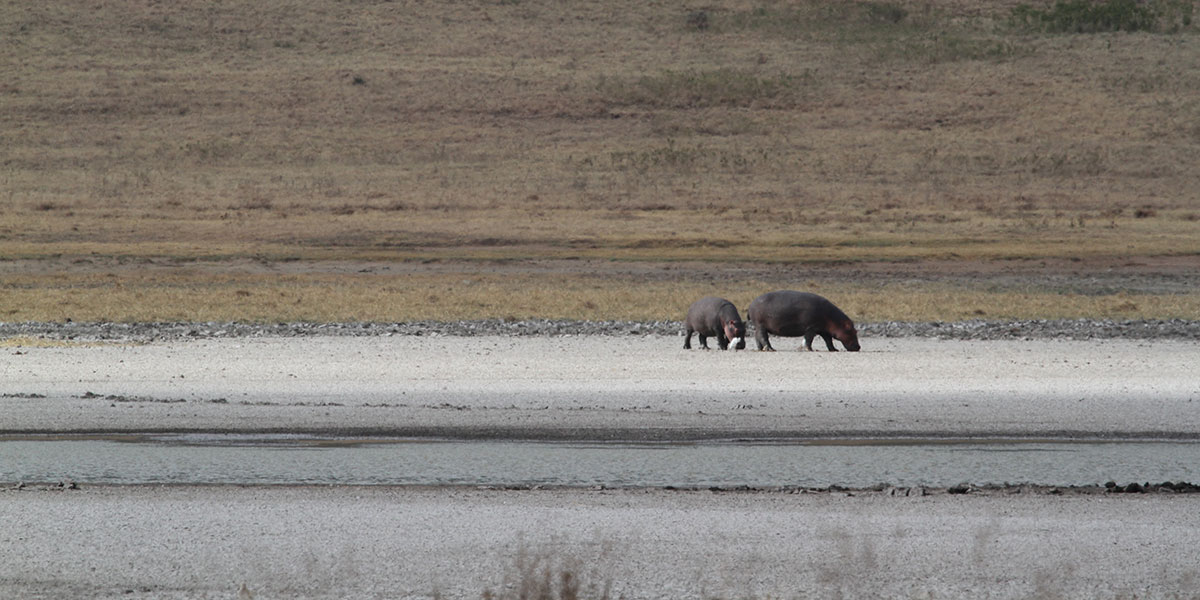
What To Pack for Ngorongoro
For many people, a Tanzania safari includes a list of national parks and destinations that inevitably includes the Ngorongoro Crater. With its high altitude and potential for rapidly changing weather conditions - as well as safari's strict luggage restrictions - get advice on what to pack with our Ngorongoro packing advice and checklist.
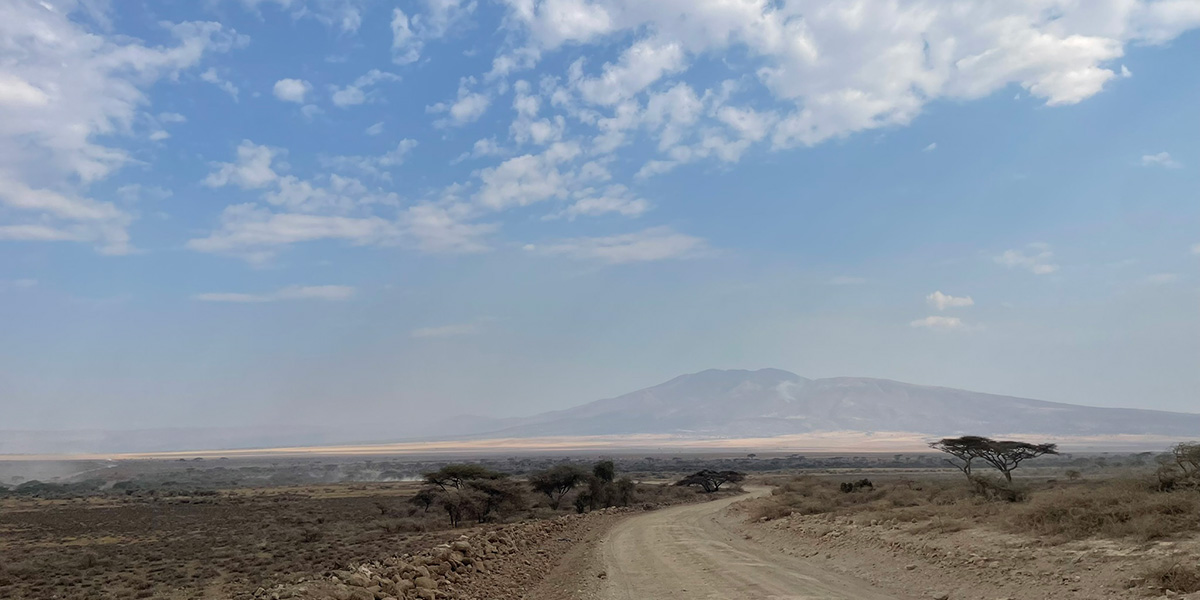
Southern Serengeti and Ngorongoro Conservation Area
The Ngorongoro Conservation Area stretches from Southern Serengeti and includes Olduvai Gorge and the Ngorongoro Crater. This mixed-use area is home to Maasai pastoralists and is a UNESCO World Heritage Site for its importance in wildlife conservation and archeological research. Read our Southern Serengeti story.
Tanzania Links:
Ngorongoro Destination Story | What To Pack for Ngorongoro | Quick Travel Tips for Ngorongoro Crater | Serengeti Balloon Safari | The Great Wildebeest Migration | Serengeti National Park Overview | Southern Serengeti, the Ngorongoro Conservation Area, Ndutu, and Olduvai | Central Serengeti, Seronera, and Grumeti | Northern Serengeti, Kogatende, and the Mara River | Quick Travel Tips For Serengeti National Park | What To Pack For a Serengeti Safari | Steve's Top 5 Packing Tips for a Tanzania Safari